Alcantara Basalt Gorges: Geological Formation, Cooling Dynamics & Canyon Evolution
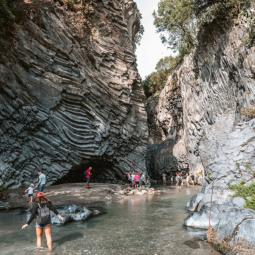
The Alcantara Basalt Gorges in northeastern Sicily represent one of the Mediterranean’s most remarkable cases of rapid basalt cooling, structural jointing and long-term river incision. They were formed through complex interactions between Mount Etna’s basaltic flank eruptions and the cold, fast-flowing waters of the Alcantara River. This scientific guide provides an academically rigorous overview of the canyon’s origin, including geodynamics, petrology, cooling physics, columnar jointing, fluvial erosion, tectonic control, microclimate development, ecological succession and long-term geomorphic evolution. It is designed as a scientific reference for geologists, volcanologists and advanced field researchers.

RECAP — Key Scientific Insights (2026 Edition)
🟧 Rapid quenching produced highly variable columnar jointing
🟦 Etna’s basaltic flank eruptions filled a pre-existing valley
🟩 River incision resumed after solidification, carving the canyon
🟧 Tectonics govern orientation, jointing and incision rate
🟦 Microclimates influence flora, fauna and erosion
🟩 Alcantara is a natural volcanic–fluvial laboratory
Geodynamic Framework of Northeastern Sicily
Plate Boundary Interactions
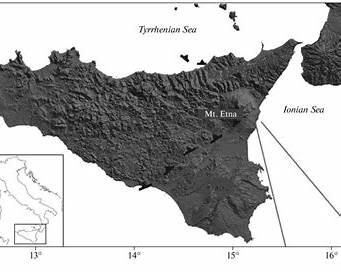
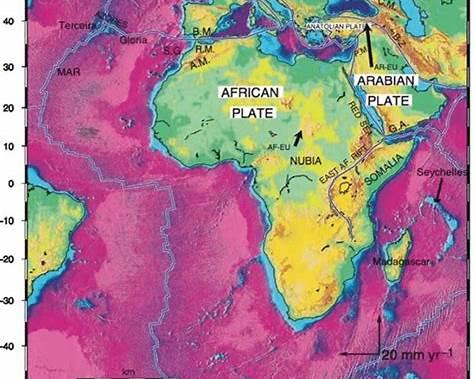
Tectonic Drivers of Etna’s Magmatic System
- 🌍 Africa–Eurasia convergence generates alternating compressional/extensional regimes
- 🔁 Ionian slab rollback promotes mantle upwelling beneath Etna
- 🧭 Extensional faulting opens magma pathways
- 🪨 Shear zones shape rift orientation and valley geometry
The Alcantara Valley lies within a transitional tectonic environment influenced by slab rollback, subduction dynamics and regional extension. This interplay creates fractures, uplift and magma ascent channels that conditioned the emplacement of Etna’s basaltic flows and the topographic depression later occupied by the river.
Must know
- Sicily sits in a complex plate-boundary zone
- Rollback accelerates volcanic activity
- Tectonics influence canyon orientation
Volcanic Origin: Eruptions Feeding the Alcantara Valley
Timing of Canyon-Forming Eruptions
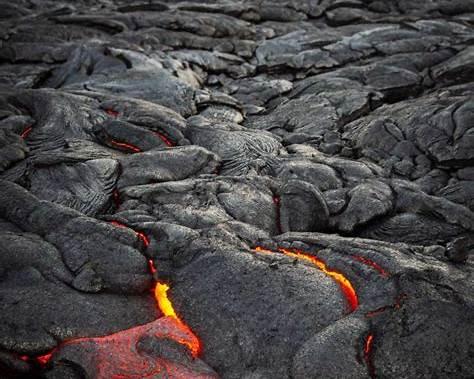
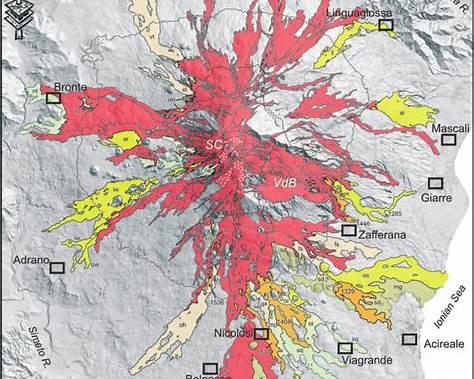
How Hot Basalt Meets Cold River Water
- 🌋 Late Holocene basaltic flows (8,000–12,000 years)
- 🔥 Lava temperatures >1,050°C
- ❄️ Quenching in 8–12°C river water
- 💥 Steam explosions enhanced fracturing
When Etna’s basaltic lavas descended the NE flank during Holocene eruptions, they entered the active Alcantara River. The sudden temperature contrast triggered immediate quenching, glassy margins and contraction cracks that later guided the river’s erosive pathways.
Must Know
- Canyon origin tied to Holocene flows
- Lava–water interaction shapes fractures
- Cooling rate controls canyon morphology
Composition of Alcantara Basalt
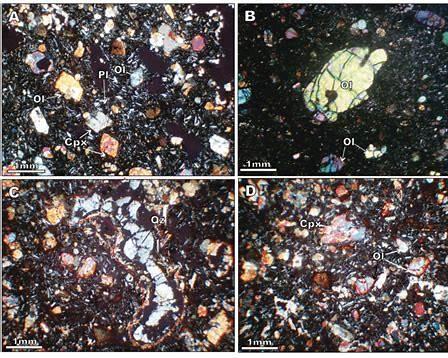
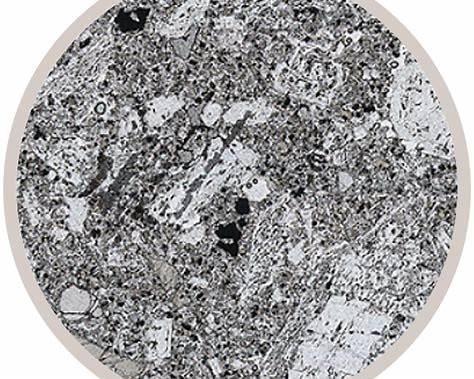
Textures and Minerals of Basaltic Lava
- 🧪 Transitional–tholeiitic basalt
- 🔬 Plagioclase, clinopyroxene, olivine
- 🌡 Fine-grained groundmass from rapid cooling
- 🫧 Vesicle elongation marking paleo-flow direction
The basalt is characterised by mixed crystallisation regimes: slow magmatic cooling forms phenocrysts, while rapid quenching creates microlitic glass-rich matrices. This dual structure enhances mechanical resistance and shapes columnar joint stability.
Must Know
- Hybrid cooling textures unique to Alcantara
- Mineralogy controls structural coherence
- Vesiculation records flow dynamics
Rapid Cooling & Columnar Jointing
Physics of Column Formation
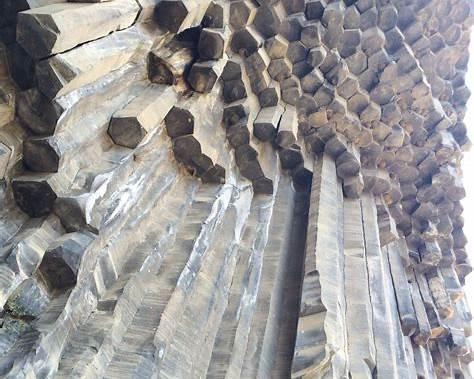
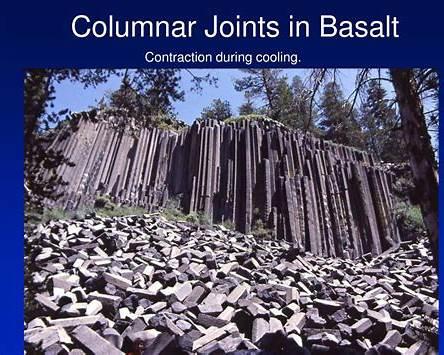
Cooling-Driven Fracturing in Basalt Columns
- ❄️ Thermal shock produces contraction fractures
- 🧱 Joints propagate perpendicular to cooling fronts
- 🔺 Hexagonal geometry minimises internal stress
- 🧭 Vertical prisms reflect downward cooling
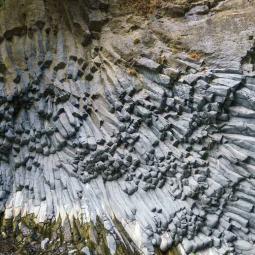
Unlike classic air-cooled systems like Giant’s Causeway, the Alcantara Gorges formed under water-induced quenching. This accelerated cooling created irregular, multi-directional joint networks reflecting complex thermal gradients.
Must Know
- Column shape = cooling physics
- Water-driven quenching accelerates jointing
- Alcantara shows exceptional structural diversity
Jointing Patterns in the Gorges
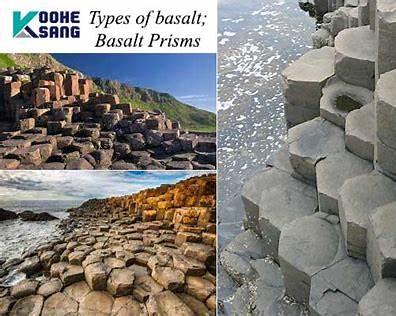
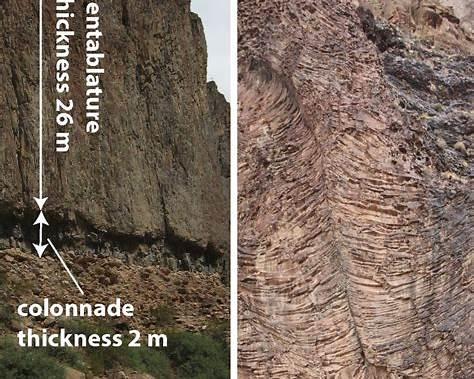
Cooling Controls on Column Geometry
- 🔹 Fan-shaped column clusters
- 🔹 Tilted prisms from channelised flows
- 🔹 Curved joints from overlapping cooling fronts
- 🔹 Multi-tiered columns indicating episodic quenching
The canyon hosts Europe’s most diverse columnar joint system, with variations recording differences in cooling rates, lava viscosity and water infiltration. These patterns provide valuable insights into palaeo-flow conditions.
Canyon Formation: Lava–River Interaction
Phase 1: Lava Entering the Alcantara River
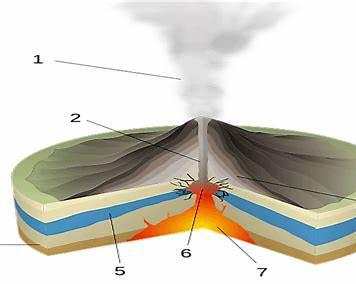
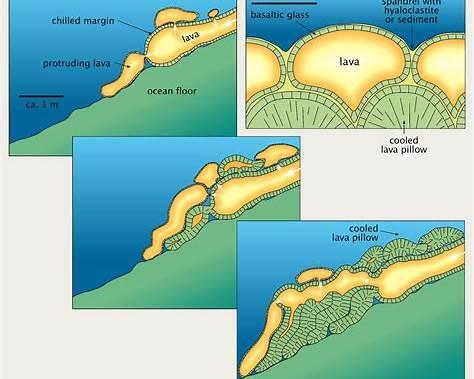
Water–Lava Interactions and Chaotic Fracturing
- 🌡 Lava hits cold water → instant external crust
- 🧊 Interior remains ductile and continues to advance
- 💥 Steam explosions fragment newly formed surfaces
- 🪨 Chaotic joints precondition later erosion
Upon contact with the Alcantara River, lava exceeding 1,000°C formed an instant glassy crust while the inner molten core continued to move. Steam pressure generated explosive fragmentation, producing highly fractured surfaces. These initial discontinuities later served as preferential erosion zones during fluvial reoccupation.
Must know
- Lava–water interaction built the canyon’s structural skeleton
- Thermal gradients controlled fracture geometry
- Explosive quenching increased column irregularity
Phase 2: River Reoccupation & Fluvial Incision
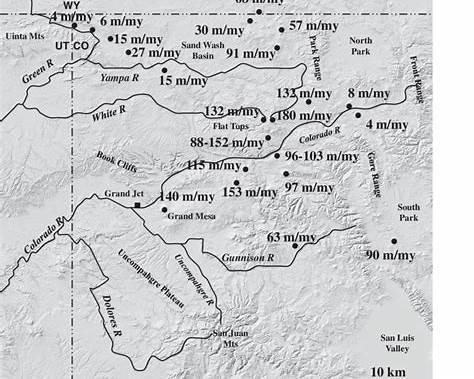
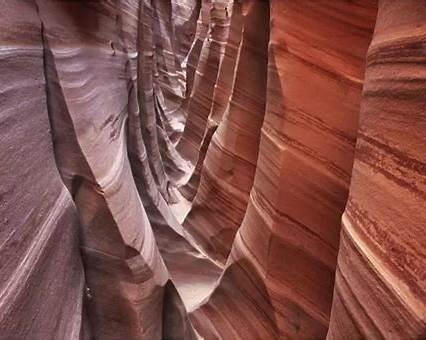
Fractures and Flow: Basalt Shaping by River
- 🌊 River flow reoccupies the cooled lava valley
- 🪨 Erosion begins along pre-existing fractures
- 🌀 Vortex action carves deep potholes
- 🏞 Vertical slots form along contraction joints
Once the lava fully solidified, the Alcantara River reclaimed its valley, eroding soft zones created during quenching. Vertical fractures acted as ready-made channels, while sediment-laden vortices sculpted cylindrical potholes. Over millennia, the river deepened the canyon into today’s narrow basaltic corridor.
Takeaways
River incision depends on lava fracture patterns
Potholes develop by vortex abrasion
Slot canyons reflect joint-guided erosion
Tectonic Influence on Canyon Morphology
Fault Systems Influencing Orientation
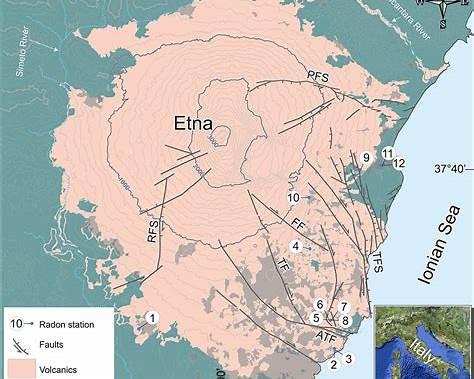
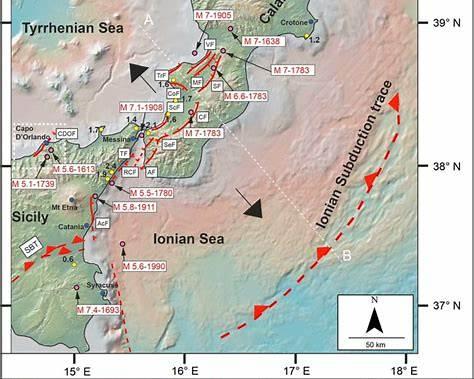
Fault-Guided Flows and Column Tilting
- 🧭 NE–SW faults channel Etna’s flank flows
- ⛏ Normal faults create valley depressions
- ⚡ Shear zones tilt columns and prism alignments
Fault networks across Etna’s NE sector guided lava pathways during eruptions. These structures shaped the geometry of the future canyon, influencing the orientation of fractures, the thickness of basaltic units and even the inclination of columnar prisms.
👉 Alcantara Gorges – Complete Guide
Takeaways
- Faults influence lava direction
- Column inclination reflects tectonic stress
- Valley geometry is tectonically controlled
Regional Uplift & Geomorphic Evolution
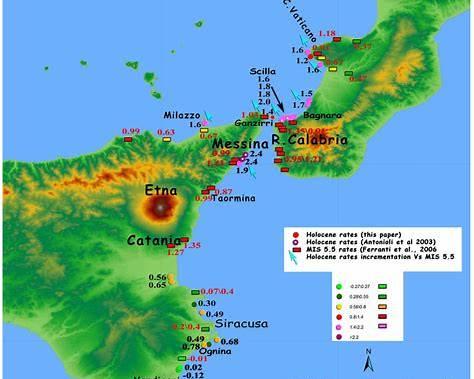
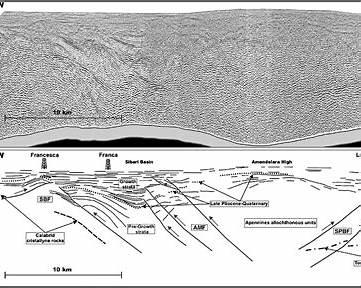
Tectonic Uplift and Progressive Canyon Incision
- 🌄 Uplift steepens the river gradient
- 🏞 Deeper incision exposes older basalt units
- 🧱 Canyon widens through lateral erosion
Gradual uplift along Sicily’s Ionian margin has increased the hydraulic gradient of the Alcantara River. This accelerates incision, exposing deeper basalt layers and enhancing canyon deepening. Tectonic forcing continues to reshape the landscape, making the Gorges an active geomorphological system.
Takeaways
- Uplift controls incision rate
- Canyon deepening is ongoing
- Older basalt layers become progressively exposed
Hydrology of the Alcantara System
Hydrological Characteristics of the River
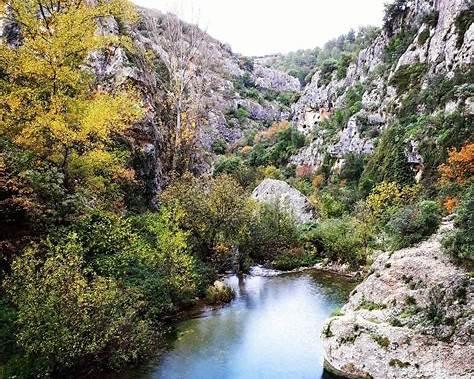
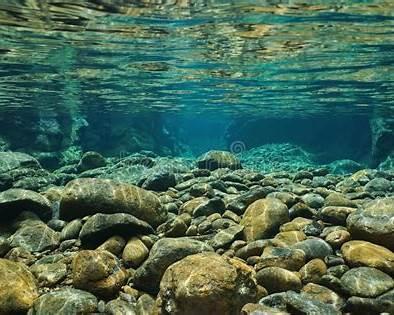
Cold, Low-Mineral Waters and Their Ecosyste
- ❄️ Temperature 8–12°C year-round
- 🌊 High discharge in winter–spring
- 💧 Low dissolved minerals
- 🪶 Supports cold-water aquatic communities
Fed by the Nebrodi Mountains, the Alcantara River maintains exceptionally low temperatures, even in midsummer. The combination of cold water, narrow canyon walls and limited sunlight creates a hydrological environment distinct from other Mediterranean river systems.
Takeaways
- Cold-water conditions stabilise canyon microclimate
- Discharge controls erosional intensity
- Hydrology shapes biotic communities
Microclimate of the Alcantara Canyon
Temperature and Humidity Controls
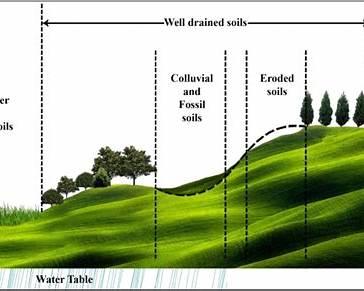
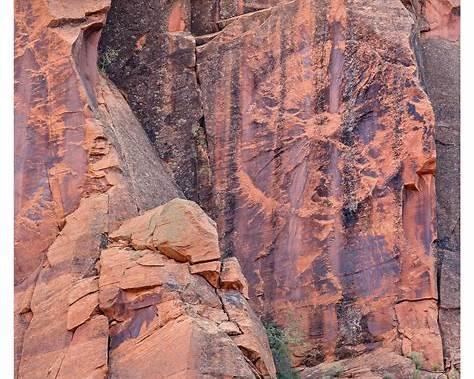
Microclimatic Conditions Within the Basalt Gorge
- 🌫 Basalt walls block direct sunlight
- ❄️ Cold river moderates air temperature
- 💧 High humidity supports mosses and ferns
The vertical basalt walls of the Gorges trap humidity and block solar radiation, creating a cool and stable microclimate. This supports unique assemblages of cold-adapted flora, allowing temperate and montane species to persist within a Mediterranean region.
Takeaways
- Shade + cold water = stable microclimate
- High humidity shapes vegetation
- Microclimate differs from surrounding Sicily
Airflow Dynamics
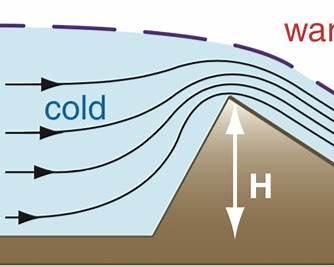
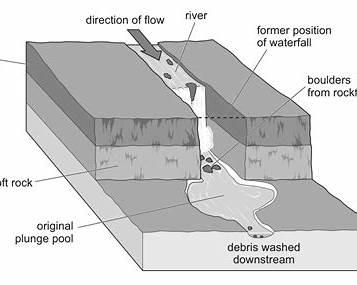
Wind Acceleration and Thermal Stability
- 🌬 Winds channelled along canyon axis
- 🌀 Venturi-like acceleration in narrow sections
- 🧊 Basalt thermal inertia buffers temperature variation
Airflow follows the canyon’s linear geometry, accelerating in constricted sections. Combined with the cool river below, this produces a persistent thermal-buffer effect that stabilises temperatures even during Sicilian heatwaves.
Takeaways
- Airflow is terrain-controlled
- Venturi effects occur in narrow passages
- Air temperature stability results from basalt thermal inertia
Ecological Succession in the Basaltic Canyon
Pioneer Species on Basalt Walls
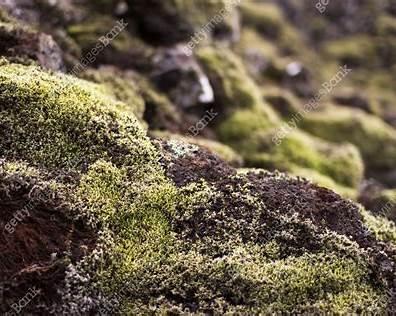

Pioneer Species on Basalt
- 🌿 Mosses colonise moisture-rich basalt
- 🍃 Ferns exploit shaded shelves
- 🌱 Lichens tolerate nutrient-poor surfaces
Pioneer species initiate ecological succession by forming organic films that trap sediments and create proto-soils. This facilitates later colonisation by vascular plants and stabilises microhabitats along canyon walls.
Takeaways
- Pioneer flora begins soil formation
- Shaded basalt favours ferns and mosses
- Low nutrients select for specialised species
Riparian Vegetation
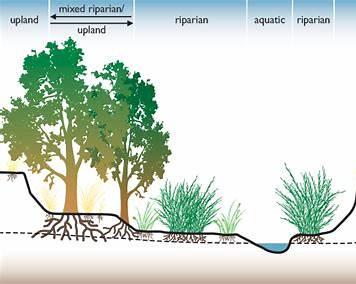
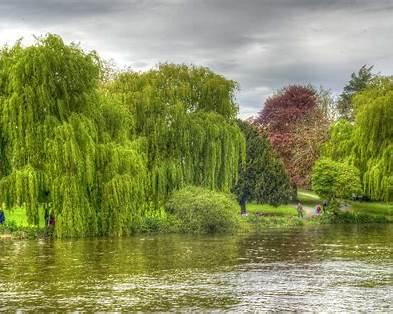
Riparian Plants and Bank Stabilisation
- 🌳 Willows stabilise sediment banks
- 🌺 Oleander colonises gravel bars
- 🍃 Reeds dominate shallow margins
Riparian vegetation adapts to seasonal discharge fluctuations. Willows anchor sediment, oleanders colonise gravel bars and reeds occupy shallow sections, collectively stabilising the fluvial corridor.
Takeaways
Riparian species regulate sediment movement
Discharge variability influences species distribution
Vegetation stabilises erodible zones
Faunal Communities in the Alcantara System
Aquatic Fauna
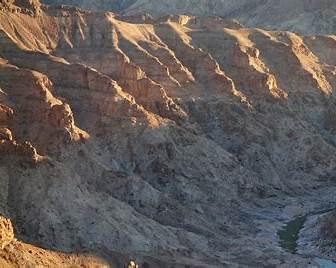
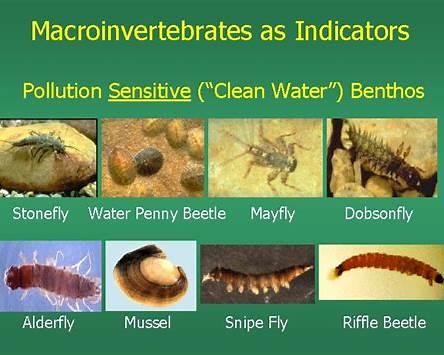
Aquatic Fauna of Cold, Oxygen-Rich Rivers
- 🐟 Cold-water fish adapted to high oxygen levels
- 🦐 Macroinvertebrates indicating water purity
- 🦀 Freshwater crustaceans thriving in shaded, cold pools
The canyon’s hydrological and microclimatic stability supports faunal assemblages more typical of temperate mountain rivers than Mediterranean environments. Cold, oxygen-rich waters sustain trout-like species and specialised macroinvertebrates, making the Alcantara a reference ecosystem for bioindicator studies.
Takeaways
Cold water drives unique faunal composition
Macroinvertebrates reveal hydrological health
Canyon fauna differs from typical Sicily rivers
Avian and Terrestrial Species
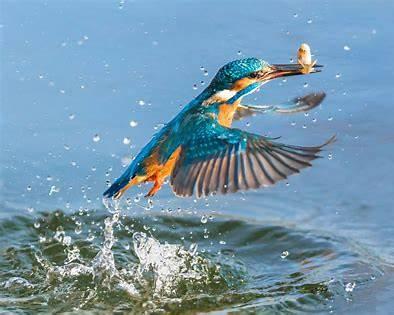
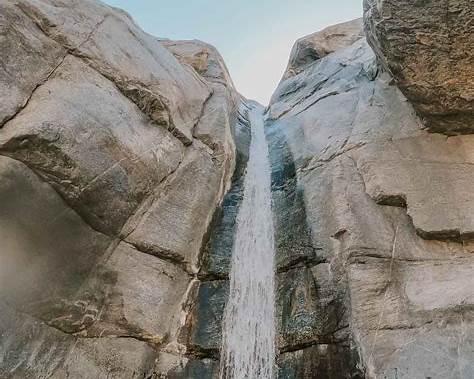
Riparian Wildlife Communities
- 🐦 Kingfishers hunting in canyon pools
- 🦊 Foxes using riparian corridors
- 🐾 Small mammals adapted to shaded banks
The steep canyon walls and stable humidity form ecological corridors used by diverse bird and mammal species. Kingfishers find ideal hunting conditions, while foxes and other mammals follow the linear river axis for foraging and shelter.
Takeaways
Canyon acts as a wildlife corridor
Bird species benefit from clear pools
Shaded banks support small mammals
Hydrology & River Dynamics: Scientific Analysis
Flow Patterns & Hydraulic Behavior
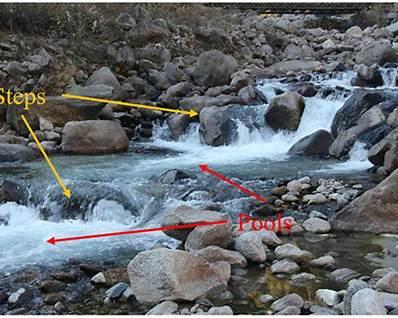
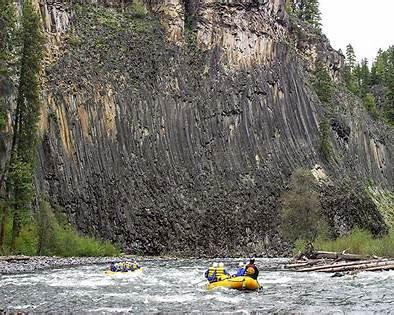
Fluvial Microhabitats and Hydraulic Features
- 🌊 Step–pool sequences in steep sectors
- 🌀 Potholes from sediment-driven vortices
- 🧊 Standing waves in constricted reaches
Hydraulic conditions vary sharply within the canyon. Narrow reaches accelerate flow, forming standing waves and enhancing sediment transport. Wider sections create step–pool sequences where turbulence concentrates erosion.
Must Know
- Hydraulic energy peaks in narrow reaches
- Potholes form through vortex abrasion
- Flow regimes influence canyon deepening
Sediment Transport & Erosional Mechanics
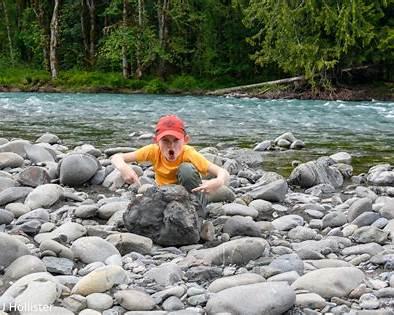
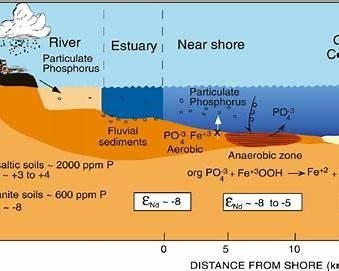
Cobbles in Motion, Sediments at Rest
- 🪨 Basalt cobbles mobilised during peak discharge
- 🚿 Suspended load polishes canyon walls
- 🪶 Fine sediments accumulate in pools
During winter floods the Alcantara transports large basalt clasts that shape the canyon floor. Meanwhile suspended sediments polish columnar walls, enhancing the canyon’s smooth vertical surfaces.
Takeaways
- High flows reshape basalt bedforms
- Suspended sediments polish rock surfaces
- Sediment sorting defines river morphology
Advanced Scientific Monitoring Systems
LIDAR Mapping
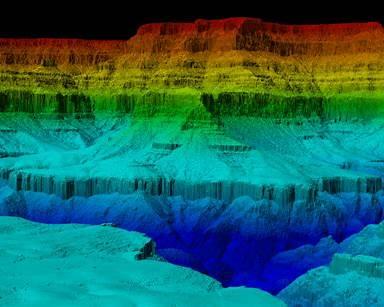
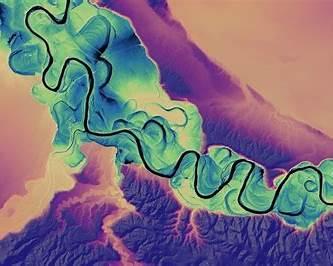
LIDAR and 3D Incision Mapping
- 🛰 High-resolution topographic mapping
- 🌄 Terrestrial LIDAR captures narrow canyon geometry
- 📐 3D models reveal incision rates
LIDAR systems provide centimetric accuracy in reconstructing canyon geometry, enabling researchers to quantify erosion rates and morphologic change. This allows the Alcantara to serve as a benchmark for volcanic–fluvial interactions.
Takeaways
- LIDAR is ideal for canyon-scale monitoring
- 3D models track morphological change
- High accuracy supports geomorphic research
InSAR (Interferometric Synthetic Aperture Radar)
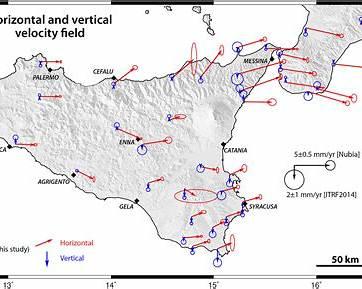
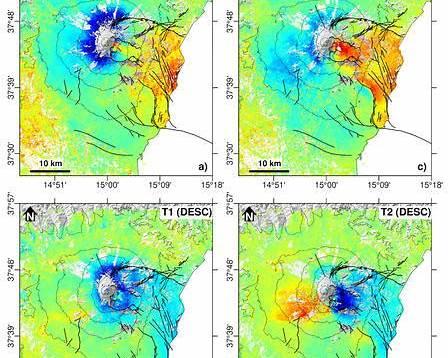
InSAR Monitoring of Ground Deformation
- 🛰 Detects millimetric uplift/subsidence
- 🧭 Maps deformation around Etna
- 🔁 Time-series reveal long-term tectonic behavior
Spaceborne interferometry detects subtle ground deformation near Etna and the Alcantara Basin. This helps quantify uplift rates affecting canyon incision and structural evolution.
Takeaways
- InSAR maps tectonic influence on canyon evolution
- Uplift affects incision rate
- Deformation signals link canyon to Etna dynamics
Geochemical & Radiometric Surveys
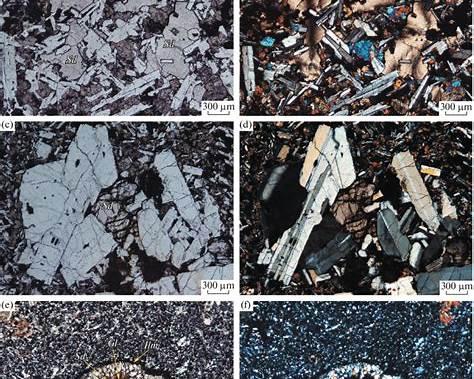
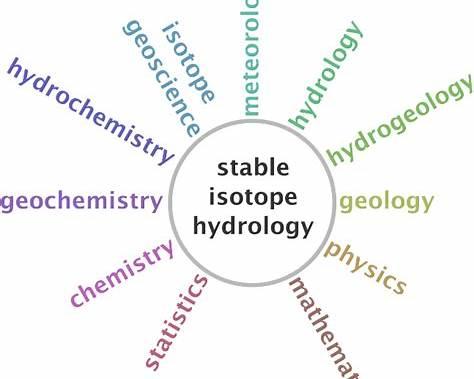
Geochemical and Isotopic Analyses
- 🔬 Geochemistry reconstructs eruption history
- ☢️ Radiometry maps mineral variations
- 💧 Isotopes identify water provenance
Geochemical analyses of basalt layers clarify eruption chronology, while radiometric surveys detect mineralogical variations related to cooling intensity. Hydrological isotope sampling helps track sources feeding the canyon.
Takeaways
- Basalt chemistry preserves eruption sequences
- Radiometry indicates cooling conditions
- Hydrology reveals climatic influences
Canyon Evolution Through Geological Time
Key Evolutionary Stages
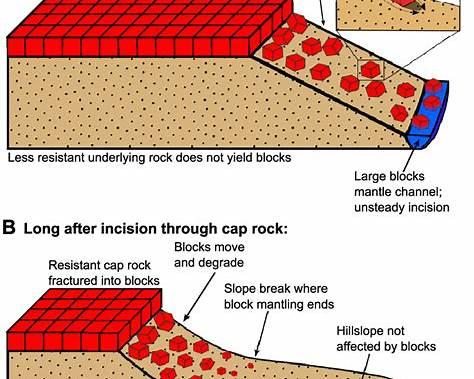
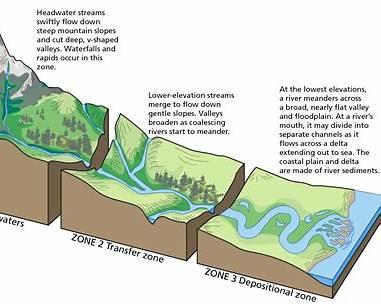
Volcanic Infilling, Quenching, and Long-Term Canyon Incision
- 🌋 Eruption phase fills pre-existing valley
- ❄️ Quench phase forms thick basalt units
- 🌊 Incision phase reopens the valley
- 🧭 Uplift accelerates erosion
- 🌡 Climate cycles alter incision dynamics
The canyon’s evolution integrates volcanic emplacement, hydrological reactivation and progressive uplift. These forces have produced a vertically stratified gorge whose morphology will continue to change as tectonic and climatic conditions evolve.
Takeaways
- Canyon evolution is multi-phased
- Volcanism + hydrology + tectonics interact
- Current morphology is still evolving
Integrating Volcanology & Fluvial Geomorphology
Key Scientific Disciplines Involved
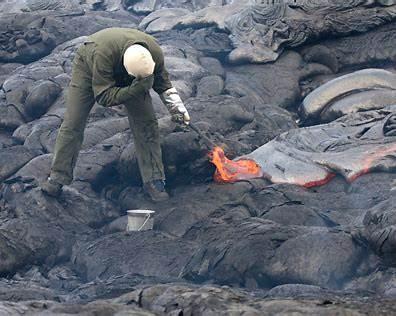
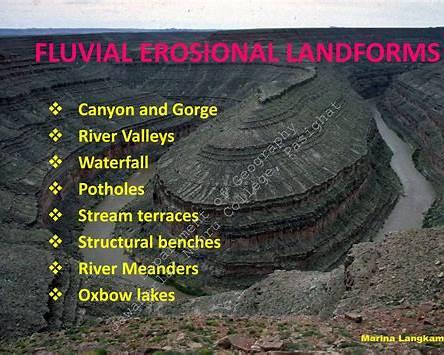
Integrated Geoscience and Ecological Framework
- 🌋 Volcanology: eruption chronology
- 🌊 Fluvial geomorphology: incision mechanics
- 🧭 Tectonics: structural control
- 🔬 Geochemistry: mineralogical signatures
- 🌿 Ecology: succession patterns
The Alcantara system is a multidisciplinary research site where volcanology, structural geology, geomorphology, ecology and hydrology converge. Its well-preserved basaltic structures and active fluvial environment provide exceptional opportunities for process-based analysis.
Takeaways
- Canyon requires interdisciplinary interpretation
- Volcanology + geomorphology explain its structure
- Ecology reacts to geological processes
Safety & Scientific Access Protocol
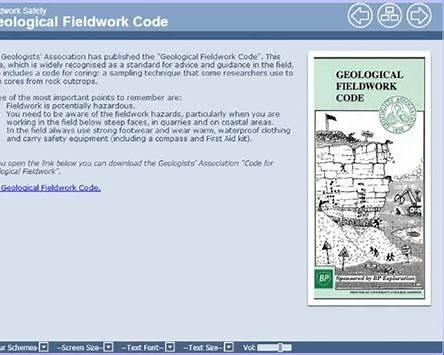
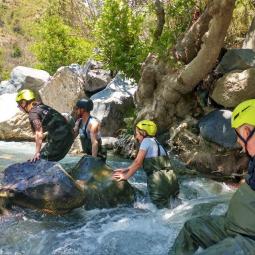
Safety Protocols for Canyon Fieldwork
- 🛟 Avoid sampling during high discharge
- 🧗 Mandatory protective gear for wall approaches
- ⚠️ Restricted access in phreatic-fragment zones
- 🚫 Entry with certified guides in narrow sectors
The Alcantara Gorges present hydraulic turbulence, slippery basalt, sudden depth transitions and confined-wall passages. Researchers must follow strict protocols to ensure safety and minimise environmental impact. Monitoring activities should be coordinated with local authorities and carried out only under stable hydrological conditions.
Must Know
- Hydrology governs fieldwork safety
- Restricted zones protect fragile environments
- Technical access requires professional guidance
FINAL SCIENTIFIC SUMMARY
The Alcantara Basalt Gorges represent a rare volcanic–fluvial hybrid system in which rapid basaltic quenching, columnar jointing, regional uplift and sustained river incision interact to shape a dynamic and evolving canyon. Their microclimate, ecological gradients and exceptional preservation make them an ideal natural laboratory for volcanology, geomorphology, hydrology and ecology. By understanding their formation and evolution, researchers gain valuable insights into the broader geodynamic and environmental contexts of Mount Etna and northeastern Sicily.