Body Rafting vs River Trekking at the Alcantara Gorges
Body rafting and river trekking at the Alcantara Gorges are often described as similar activities. They are not. Although both take place inside the same volcanic canyon, they differ in immersion level, physical dynamics, seasonal conditions, and crowd exposure. Most importantly, the section of the river where the activity takes place makes a significant difference — especially between late June and September. This guide explains the real differences so you can make an informed decision.

Quick Decision Snapshot
-
🌊 Body rafting → full immersion, dynamic descent
-
🥾 River trekking → partial immersion, slower pace
-
🌡 Water temperature → cold year-round (spring-fed river)
-
☀ Summer factor → lower water levels + higher congestion
-
📍 Location matters → Main Canyon vs Gurne area
Understanding the Environment of the Alcantara River
Geological Structure of the Gorges
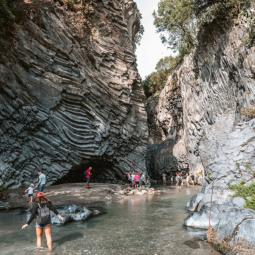
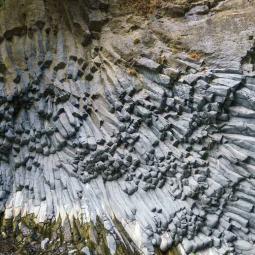
The Alcantara Gorges were formed when lava from Mount Etna cooled rapidly in contact with river water.
This process created vertical basalt columns and narrow canyon corridors.
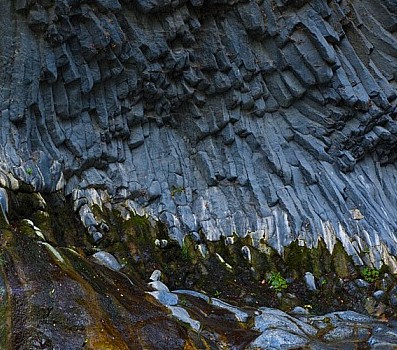
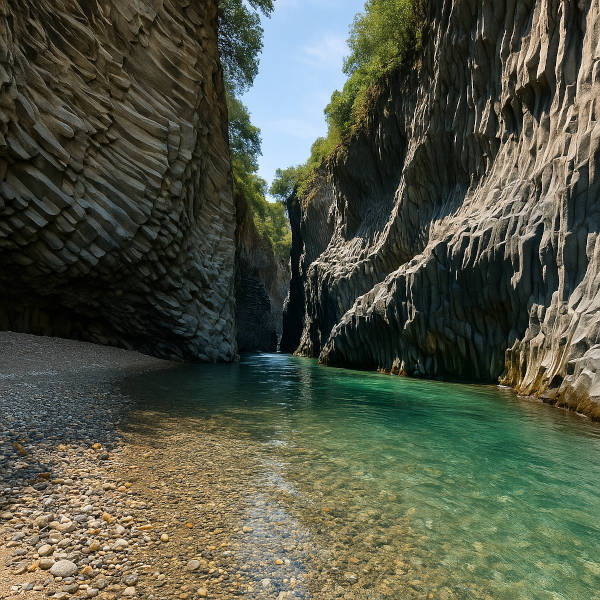
The river is spring-fed. This explains:
-
Constant cold water temperature
-
Seasonal variation in water volume
-
Strong thermal contrast in summer
Key Points
-
The canyon is volcanic in origin.
-
Basalt structure influences movement and safety.
-
Water temperature remains low even in peak summer.
What Is Body Rafting?
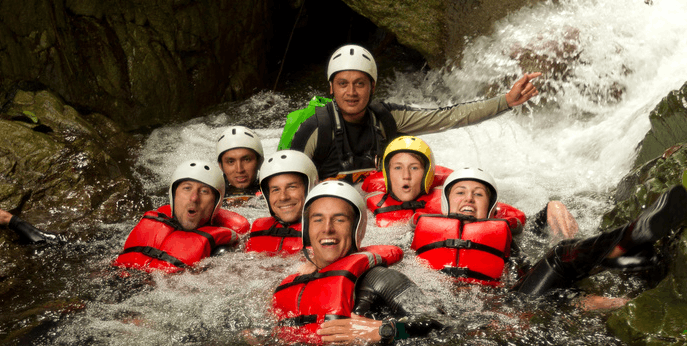
Guided Downstream Immersion
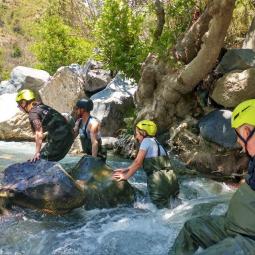
Body rafting involves descending with the natural river current.
Participants wear:
-
Full neoprene wetsuit
-
Helmet
-
Life jacket
The experience includes floating sections, small natural slides, controlled jumps (when permitted), and short counter-current walks.
Water temperature typically ranges between 10°C and 15°C.
Key Points
-
Full immersion activity.
-
Dynamic and current-driven.
-
Thermal factor always relevant.
What Is River Trekking?
Walking Upstream Through Shallow Sections
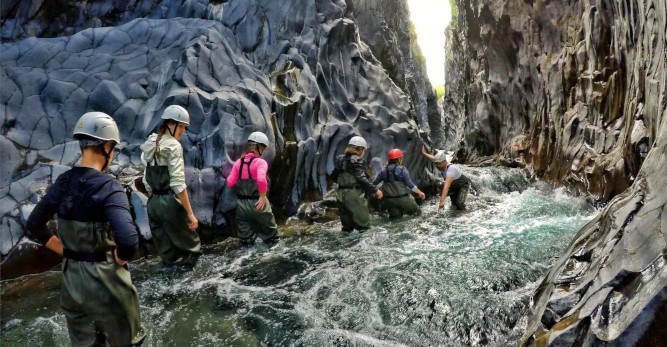
River trekking focuses on walking upstream through shallow areas of the canyon.
Immersion is partial and intermittent.
The pace is slower and more observational.
Participants navigate:
-
Uneven basalt surfaces
-
Shallow pools
-
Gentle current
Key Points
-
Partial immersion.
-
Slower rhythm.
-
More focused on observation than descent.
Summer Conditions: What Changes Between Late June and September?
Lower Water Levels and Increased Congestion
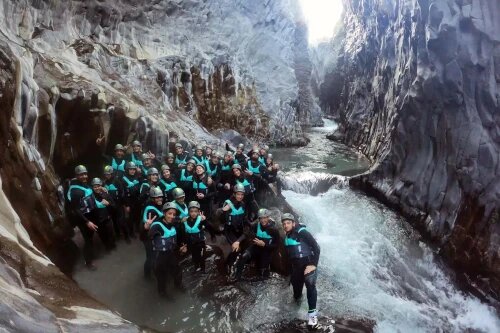
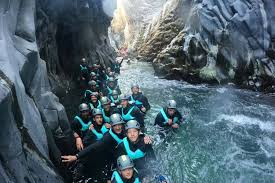
From late June through September, natural river flow decreases.
At the same time, air temperatures often exceed 35°C.
In the central canyon corridor, this leads to:
-
Reduced water depth
-
Slower current
-
Higher visitor density
Wearing a full neoprene wetsuit (“salopette fluviale”) under strong sun exposure becomes uncomfortable, especially when groups must wait in narrow sections.
During peak season:
-
Entry points become congested
-
Movement slows significantly
-
The experience can feel logistical rather than immersive
For practical advice on footwear, thermal comfort and what to wear during hot summer days, see our detailed guide on how to dress for river trekking at the Alcantara Gorges.
Key Points
-
Water flow drops naturally in late summer.
-
Heat increases discomfort inside full wetsuits.
-
High density changes the rhythm of the activity.
Main Canyon vs Gurne: What Really Changes?
Main Canyon (Central Gorges)
-
Higher visitor density in summer
-
Reduced water depth from late June
-
Possible waiting times in narrow sections
-
Greater thermal discomfort
-
Intermittent movement
Gurne Area (Upstream Natural Pools)
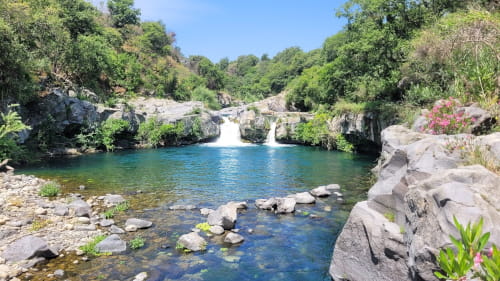
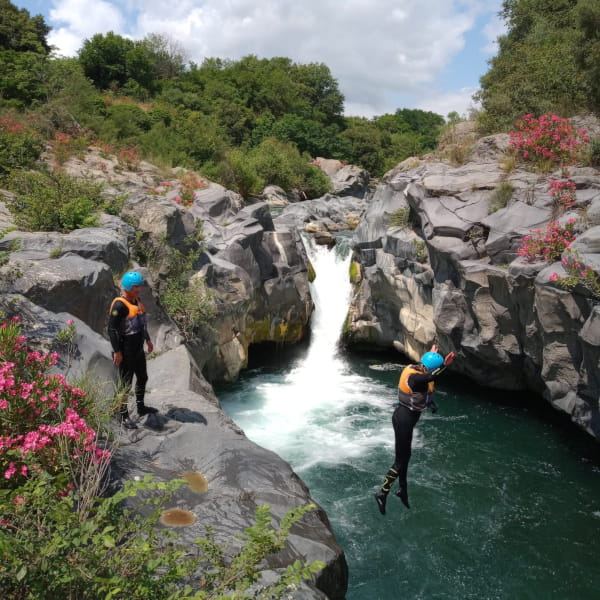
The Gurne are natural freshwater pools located upstream, outside the narrow central corridor.
This area maintains:
-
More stable water depth
-
Small waterfalls and natural basins
-
Lower tourist density
-
More continuous movement
Even during summer, water volume remains more consistent in this section.
What This Means in Practice
In peak months, the main canyon can feel congested and slower.
The Gurne area allows:
-
Better hydraulic conditions
-
More fluid descent
-
Reduced congestion impact
-
Greater environmental continuity
For this reason, our body rafting activities operate primarily in the Gurne area.
This is an environmental and logistical decision aimed at maintaining safety and experience quality.
For a broader understanding of the geological structure, access points and seasonal dynamics of the river, read our complete guide to the Alcantara Gorges.
Key Points
-
The Gurne maintain better summer conditions.
-
Lower density improves safety and flow.
-
Section choice directly affects experience quality.
Which Activity Should You Choose?
Choose Body Rafting (Gurne area) if you want:
-
Full immersion
-
Continuous descent
-
More stable summer water conditions
-
Reduced congestion
Choose River Trekking if you prefer:
-
Slower pace
-
Geological observation
-
Partial immersion
The decisive factor is not only the activity — but the section of the river where it takes place.
Safety Module — Environmental Considerations
The Alcantara River presents:
-
Slippery basalt surfaces
-
Cold spring-fed water
-
Narrow corridors
-
Seasonal flow variation
Mandatory equipment and certified guidance are essential.
Thermal management becomes especially relevant in summer when wetsuits combine cold water and high air temperature.
Key Points
-
Cold exposure is the main physical variable.
-
Crowd density affects safety logistics.
-
Location choice influences environmental risk.
Experience the Alcantara River Beyond the Crowded Canyon
Body Rafting in the Gurne Area
For those seeking a more fluid and immersive descent, operating in the Gurne area ensures more stable water depth, reduced congestion, and controlled group management — particularly between late June and September.
FAQ — Body Rafting vs River Trekking
Is body rafting too cold in summer?
The water remains cold year-round. However, continuous movement and section selection influence thermal perception.
Why are the Gorges more crowded in summer?
Lower water levels and peak tourism increase density in the central canyon corridor.
Is the Gurne area part of the Alcantara River?
Yes. It is an upstream section characterized by natural pools and waterfalls, located outside the narrow central passage.
Does river trekking require strong physical fitness?
River trekking requires more balance and coordination than many people expect. The riverbed is not flat: it includes small waterfalls, uneven basalt surfaces and slippery rocks. While it does not require high endurance, it does demand good stability and confidence moving over irregular terrain in shallow running water.
Final Strategic Summary
The difference between body rafting and river trekking is not only about immersion.
It is about:
-
Seasonal water behavior
-
Thermal comfort
-
Crowd dynamics
-
River section selection
Understanding these variables allows a more informed decision — especially between late June and September.