Etna and Wine: Scientific Foundations of a Volcanic Terroir
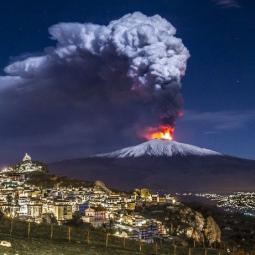
Etna’s wine identity develops from the interaction between volcanic geology, soil formation, hydrology, altitude and biological activity. Each eruption produces new layers with different mineral compositions, generating a mosaic of viticultural environments. These variations affect vine rooting depth, water dynamics, nutrient availability and grape chemistry. This pillar adopts a scientific–divulgative approach suitable for visitors, guides and wine professionals. The structure follows the natural organisation of the volcanic system: geology, pedogenesis, hydrology, microclimate, biological activity and wine expression.

Volcanic Soil and Microclimate Dynamics
🌋 Volcanic origin: basaltic substrates influencing soil chemistry
🧱 Soil diversity: mineral variation from rapid weathering
🌡️ Thermal shifts: strong day–night temperature ranges
💧 Infiltration: volcanic layers modulating water storage
🧭 Altitude: contrasting ripening behaviour
🌿 Microbiota: organisms influencing nutrient cycles
1. Geological Structure and Its Influence on the Vine
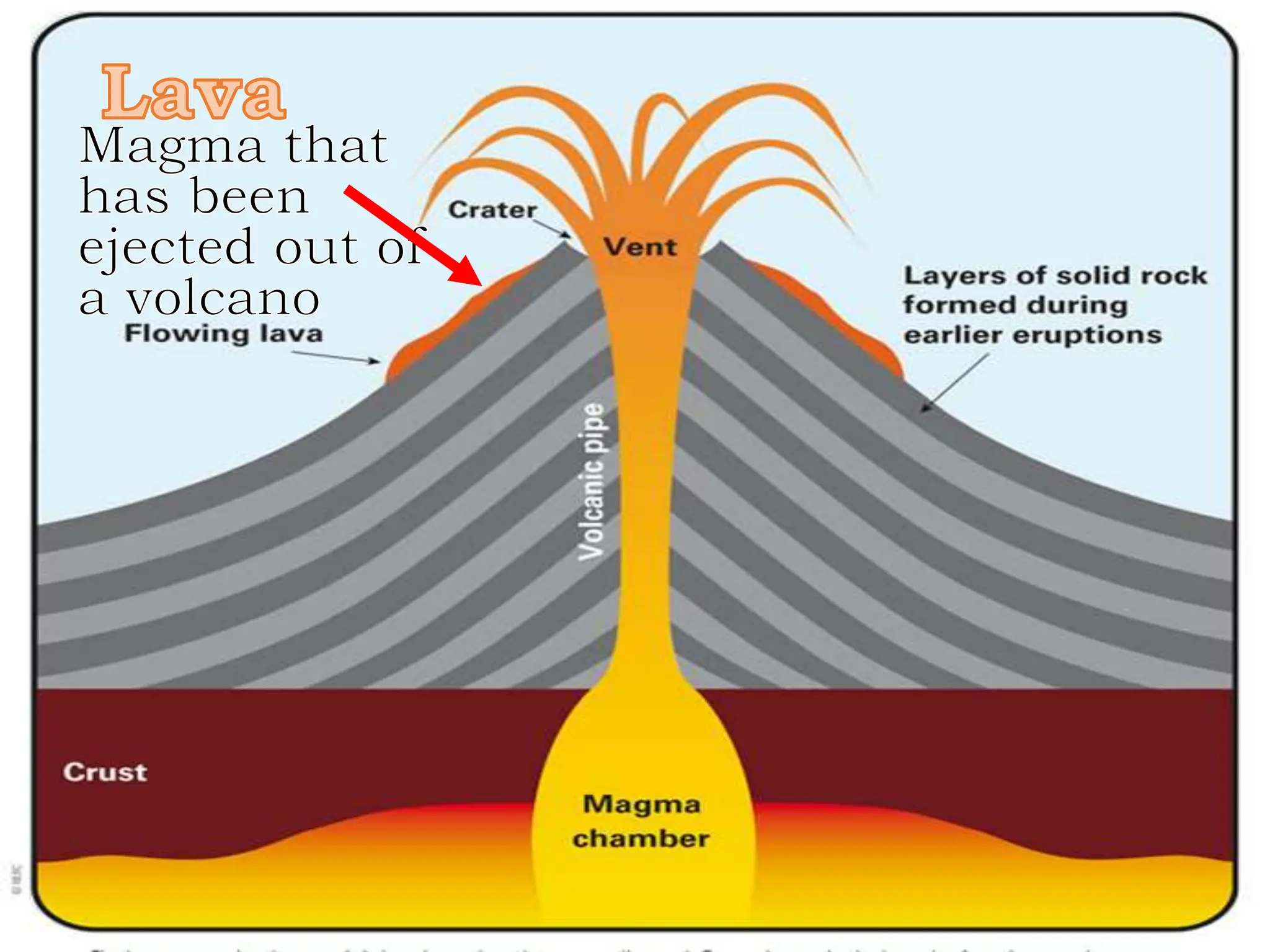
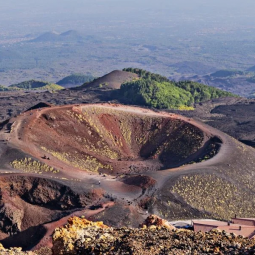
Etna’s slopes consist of overlapping basaltic lava flows, ash deposits and fragmented pyroclasts. Each eruption forms new geological substrates with distinct mineral compositions. Basalt fractures easily, creating soils rich in iron, magnesium and trace elements. These minerals support acidity stability and aromatic precision in grapes.
Older lava flows exhibit compact horizons with moderate porosity, while younger substrates remain loose and aerated. This explains why vineyards located close to one another may produce wines with different structures and phenolic development.
How Volcanic Layers Shape the Ground
-
🧱 Fractured basalts supporting root penetration
-
🌋 Ash layers modifying soil texture
-
🔥 Cooling rates determining mineral distribution
-
🧭 Contrasting geological horizons linked to eruption age
How Lava History Influences Soil Fertilit
-
Different lava ages = different nutrient profiles
-
Basalt fracturing improves rooting depth
-
Ash layers contribute to texture and acidity
2. Soil Formation and Nutrient Availability
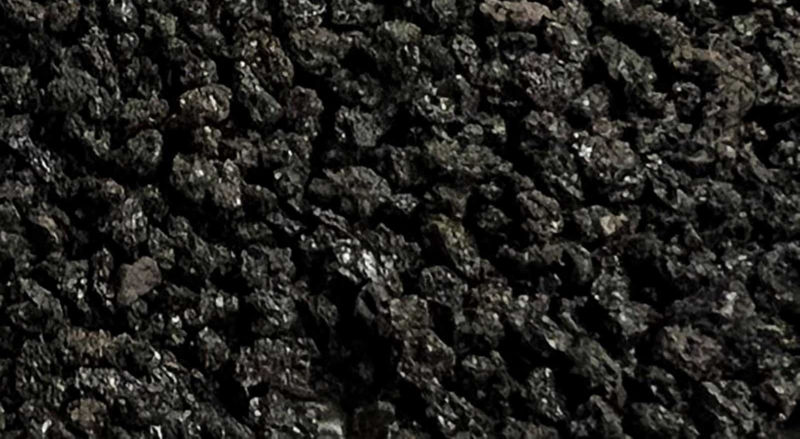
Volcanic soils form through rapid fragmentation and chemical alteration. Ash decomposes quickly into fine particles with high nutrient exchange capacity. Basalt breaks into coarse fragments, improving drainage, aeration and structural stability.
Typical soil pH ranges between 5.8 and 6.8, supporting balanced nutrient uptake. Minerals such as magnesium, iron and calcium influence acidity levels, aromatic precursors and structural elements of the wine. Organic matter accumulates slowly but remains highly active due to microbial processes.
How Volcanic Layers Regulate Soil Balance
-
🌋 Fine ash releasing minerals rapidly
-
🧱 Coarse basalt improving drainage
-
🌿 Organic layers enhancing fertility
-
💧 Porous horizons regulating moisture
Volcanic Soils: Key Functional Drivers
-
Ash = rapid nutrient release
-
Basalt = drainage and aeration
-
Microbial activity = stable fertility
3. Hydrology and Water Dynamics of Volcanic Slopes
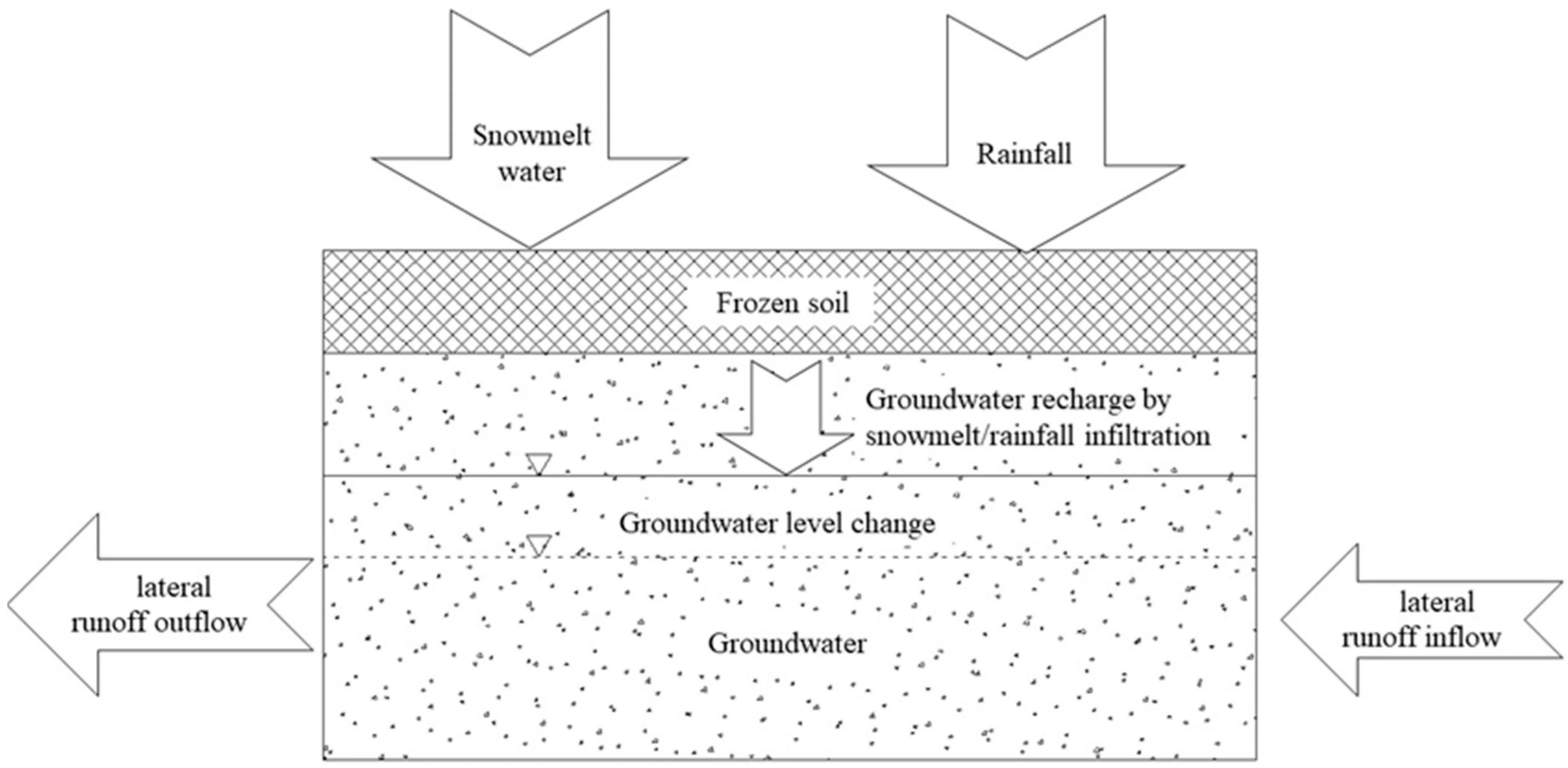
Etna’s hydrology is defined by rapid infiltration, minimal runoff and strong vertical water movement. Fractured lava flows absorb rainfall quickly, transferring water into deeper substrates. These horizons act as natural reservoirs, releasing moisture progressively during dry periods.
Ash layers retain sufficient water to support vine growth through early summer. Seasonal snow contributes additional moisture through gradual melting, sustaining deep-rooted vines.
How Volcanic Soils Control Water Flow
-
💧 Rapid infiltration through fractured basalt
-
🧱 Retention zones formed by ash layers
-
❄️ Snowmelt providing delayed water supply
-
🧭 Drainage influenced by slope orientation
Water Dynamics in Volcanic Terrain
-
Water moves vertically more than horizontally
-
Ash layers regulate seasonal retention
-
North-facing slopes drain more slowly
4. Microclimate and Altitude: Why Etna Vineyards Differ
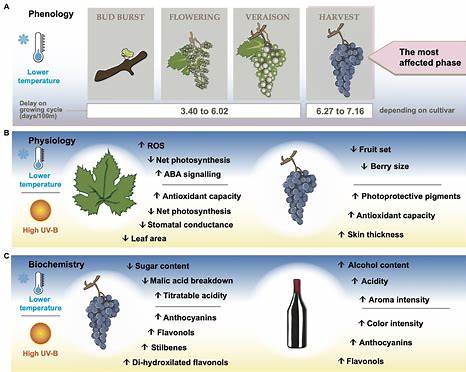
Etna’s vineyards range between 450 and 1,000 meters above sea level. Cooler temperatures slow sugar accumulation and extend phenolic development, improving acidity and aromatic clarity.
Thermal excursions remain significant, especially along the northern slopes, enhancing freshness and structural definition. Slope orientation controls sunlight exposure; southeastern slopes receive more radiation and show earlier ripening. Persistent winds reduce humidity and disease pressure, contributing to healthy canopy conditions.
How Altitude and Climate Shape Ripening
-
🌡️ Temperature shifts influencing ripeness
-
🧭 Aspect determining sunlight exposure
-
🌬️ Wind reducing humidity
-
🌿 Slower phenolic development with elevation
Climate Drivers of Ripening
-
Elevation = delayed ripening
-
Aspect = sunlight intensity
-
Winds = natural canopy control
5. Microorganisms and Biological Activity
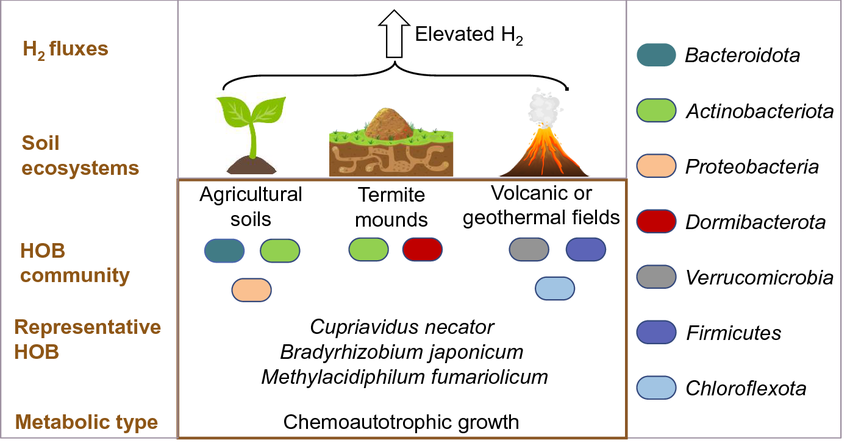
Volcanic soils host microbial communities specialised in decomposing minerals and organic matter. Bacteria and fungi accelerate chemical transformations, releasing nutrients that vines absorb.
Biological activity improves soil structure by increasing aggregation and porosity, enabling roots to explore deeper horizons. Microbial diversity contributes to the sensory profile associated with volcanic wines.
How Soil Life Shapes Volcanic Environments
-
🌿 Organic matter decomposition
-
🧬 Mineral transformation
-
🧱 Soil aggregation
-
🌡️ Adaptation to volcanic temperature ranges
Biological Drivers of Volcanic Soils
-
Microbes influence acidity balance
-
Biological activity supports rooting depth
-
Diversity links to aromatic complexity
6. Wine Types Resulting from Etna’s Volcanic Environment
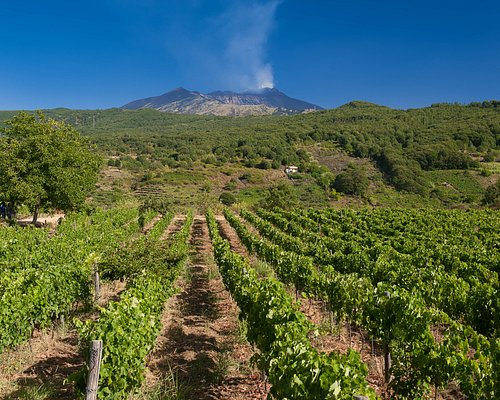
Etna’s main wine styles derive from native cultivars adapted to volcanic soils, altitude and strong temperature variation. These conditions shape acidity, aromatic structure and phenolic balance.
👉 Guided Etna wine experience from Taormina
Principal wine expressions
-
🍇 Nerello Mascalese — altitude-driven acidity, mineral tension, long maturation
-
🌋 Nerello Cappuccio — colour contribution, spice, softer tannins
-
🍏 Carricante — citrus-driven acidity, notable salinity
-
🌸 Etna Rosato — pale colour, altitude-driven freshness
Volcanic Terroir Expression
-
Native grapes reflect volcanic structure
-
Altitude improves freshness and longevity
-
Soil minerals shape aromatic clarity
Scientific Diagrams of Volcanic Soil, Water and Climate Systems
-
Volcanic Soil Structure Diagram — basalt, ash layers, root zones
-
Etna Hydrological Model — infiltration paths, retention layers
-
Microclimate Gradient Map — altitude, radiation, airflow
-
Basalt Weathering Timeline — mineral breakdown stages
-
Biodiversity Diagram — microbial interactions in volcanic soils
Safety Considerations in Volcanic Environments
Etna’s slopes include uneven basaltic surfaces, loose ash deposits and variable seasonal conditions. Visitors should consider:
-
⚠️ Rapid weather changes at higher elevations
-
⚠️ Limited accessibility during winter snow events
-
⚠️ Loose pyroclastic material on steep slopes
-
⚠️ Temperature variations between valley and summit
Trail access depends on volcanic activity levels reported by INGV.