Mount Etna Facts
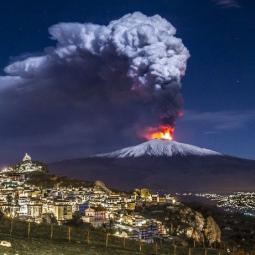
Mount Etna is a 600,000-year-old stratovolcano rising to approximately 3,340–3,350 meters above sea level. It is among the most active volcanoes on Earth, has produced some of Europe’s longest eruptions, contains more than 200 lava caves, and became a UNESCO World Heritage Site in 2013.

Essential Insights About Europe’s Highest Active Volcano
Quick Snapshot
📍 Location: Sicily, Italy
⛰️ Height: ~3,340–3,350 m (variable)
🌋 Type: Stratovolcano
🕰️ Age: ~600,000 years
🕳️ Lava caves: 200+
🏛️ UNESCO Site: Since 2013
1. Mount Etna Is One of the Most Active Volcanoes in the World
Mount Etna is a stratovolcano located in southern Italy. Together with volcanoes such as Kīlauea, it is considered one of the most active volcanoes on Earth.
In 2002, a powerful eruption destroyed the ski lift, two hotels and several shops at around 1,900 meters above sea level.
The most recent significant eruptive episode occurred in December 2021. On December 13, a lateral vent opened at approximately 2,800 meters. The eruption lasted about 48 hours.
Why It Matters
-
Etna is among the world’s most active volcanoes
-
2002 eruption caused major structural damage
-
December 2021 eruption opened a vent at 2,800 m
2. The 1669 Eruption Reshaped Catania
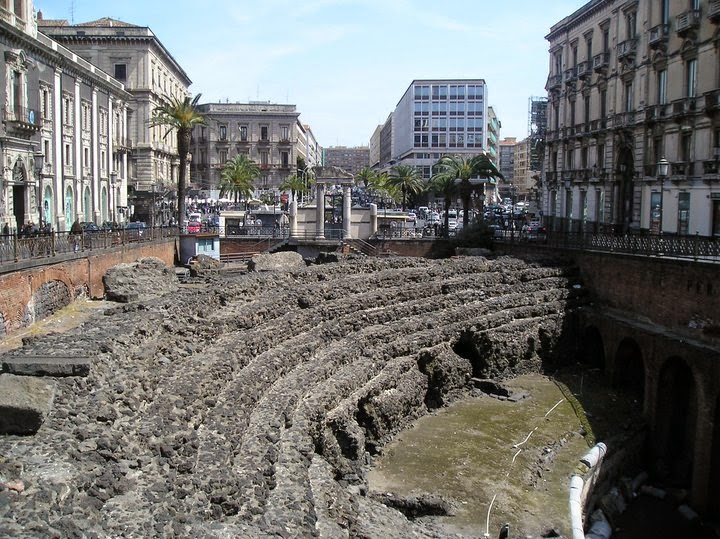
Although Etna does not usually pose constant danger to cities, the 1669 eruption was exceptional.
Lasting 112 days, it emitted approximately 600 million cubic meters of lava. A 17 km-long lava flow reached and damaged parts of Catania.
This eruption also recorded one of the first documented human attempts to divert lava flows.
What to Remember
-
Lasted 112 days
-
Produced 600 million m³ of lava
-
Created a 17 km lava flow
3. Excursions on Mount Etna
Despite its activity, Mount Etna is accessible for visitors during stable periods.
From May to November, guided excursions often reach high altitudes near the summit area. The lower flanks can be explored by mountain bike, hiking or horseback riding.
To reach the summit craters, a certified guide is legally required. Authorities do not permit independent access to active crater zones.
Core Facts
-
High-altitude visits possible in stable phases
-
Summit access requires certified guide
-
Multiple outdoor activities available on lower slopes
4. Mount Etna’s Geological Origins
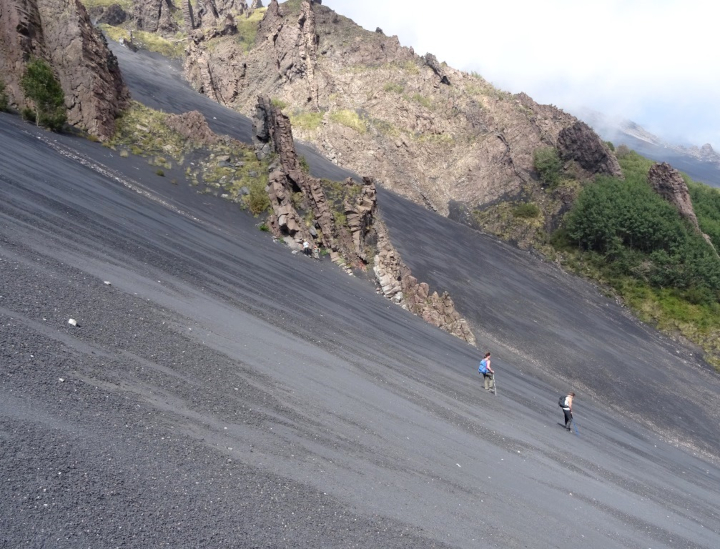
Etna began forming around 600,000 years ago. At that time, parts of the present-day eastern Sicily were influenced by marine environments. The earliest volcanic activity occurred underwater, where submarine eruptions built the first volcanic structures on the seafloor.
Over hundreds of thousands of years, repeated eruptive phases — both effusive and explosive — progressively accumulated vast volumes of lava, ash and pyroclastic material. These deposits gradually constructed the large stratovolcano that dominates the landscape today.
Today, the volcano’s perimeter measures roughly 135 kilometers.
In Brief
-
Formed approximately 600,000 years ago
-
Early activity occurred under the sea
-
Current perimeter about 135 km
5. The Summit Structure
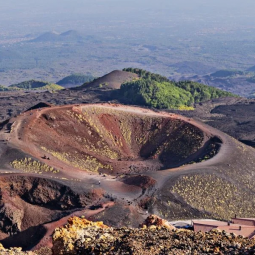
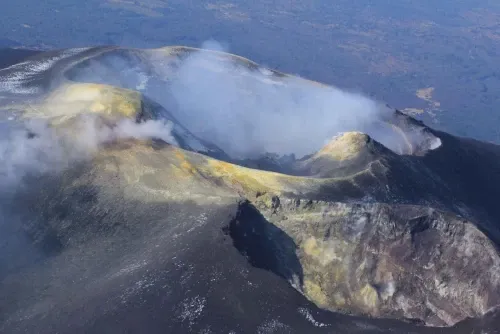
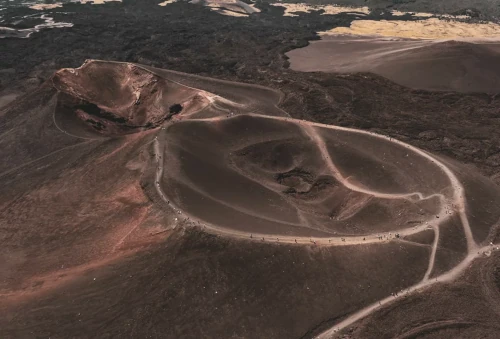
Mount Etna’s highest point reaches around 3,340 meters above sea level, although this elevation varies due to eruptive deposits, cone growth and summit collapses. The summit complex currently consists of four main craters. The Northeast Crater, formed in 1911, is the oldest of the present summit structures. In the central part of the summit area lie the Voragine (1945) and Bocca Nuova (1968), both occupying the central crater zone. The Southeast Crater, which developed in the mid-1970s and became particularly active from 1978 onward, is the youngest summit crater and at present the most active sector of the volcano.
Main Summit Craters
-
Northeast Crater (1911)
-
Voragine / The Chasm (1945)
-
Bocca Nuova (1968)
-
Southeast Crater (1971, later expanded)
Must know
-
Height fluctuates after eruptions
-
Four main summit craters
-
Summit morphology constantly evolving
6. Lava Tubes and the Ice Trade
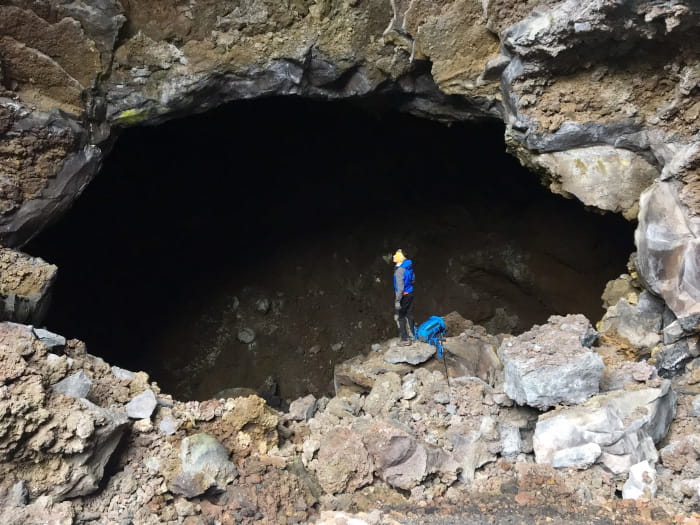
Within the Etna Park territory, more than 200 lava caves have been identified. These volcanic tunnels formed when the outer surface of a lava flow cooled and solidified while molten lava continued moving beneath it. Once the flow drained, hollow conduits remained. Many of these lava tubes preserve clear evidence of flow dynamics, layered lava linings, and internal collapse structures, making them important geological features of the volcano.
Historical Uses of Lava Caves
During World War II (1943), some caves were used as shelters during aerial bombardments.
In the 18th century, certain caves functioned as natural ice storage sites. Snow collected during winter was compacted and preserved, then shipped to Malta and Naples.
“Monte dei Morti,” on the north side of Etna, is associated with rope-lava formations produced during long effusive eruptions.
Quick Insight
-
200+ lava caves
-
Used as WWII shelters
-
Historical ice trade industry
-
Rope lava visible at Monte dei Morti
7. Europe’s Southernmost Birch Fores
Etna’s vegetation varies by altitude and slope exposure. The combination of elevation, volcanic soil, rainfall patterns, and microclimates creates distinct ecological zones. Lower slopes host vineyards, citrus groves, oak and chestnut forests, while higher elevations support beech and birch stands. Above roughly 2,000 meters, plant life progressively thins out, giving way to sparse pioneer species and eventually to the volcanic desert near the summit.
Vegetation by Elevation
Lower elevations host vineyards, hazelnut groves, oak woods and chestnut forests. Around and above 2,000 meters, birch trees reach their southernmost European distribution.
Above this altitude, vegetation gradually disappears, giving way to volcanic desert landscapes.
Core Facts
-
Distinct vegetation zones by altitude
-
Southernmost birch forest in Europe
-
Upper slopes transition into volcanic desert
8. Mount Etna Vineyards
Ancient stone terraces carved into Mount Etna’s slopes have been cultivated for centuries, adapting viticulture to the volcanic terrain and steep altitudinal gradients.
Se vuoi una versione un filo più enologica:
Ancient dry-stone terraces along Mount Etna’s slopes have supported viticulture for centuries, allowing vineyards to thrive on mineral-rich volcanic soils shaped by repeated eruptive cycles.
Volcanic Soil and Wine Production
The mineral-rich volcanic soil and microclimate conditions support high-quality wine production. Today, approximately 165 wineries operate around the volcano.
Must know
-
Long-standing agricultural tradition
-
Volcanic soil rich in minerals
-
Around 165 wineries on Etna
9. UNESCO World Heritage Site
In June 2013, Mount Etna was inscribed as a UNESCO World Heritage Site in recognition of its outstanding geological value. The designation highlights the volcano’s exceptional record of volcanic processes, its scientific importance for the study of basaltic stratovolcanoes, and the diversity of eruptive phenomena observable across its slopes. Etna is considered a globally significant natural laboratory, where continuous activity provides direct insight into the dynamics of active volcanic systems.
International Recognition
The designation recognizes its geological significance and the diversity of volcanic processes observable on its slopes.
in brief
-
UNESCO status since 2013
-
Recognized for geological value
-
International natural heritage site
10. Skiing on Mount Etna
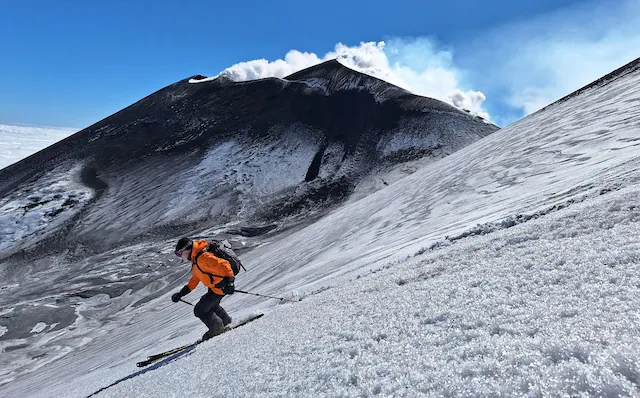
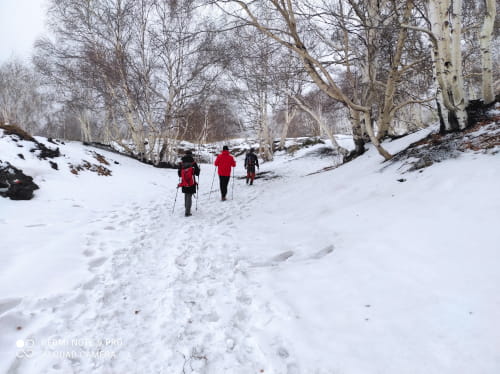
During winter (December to March), snow frequently covers Etna’s upper slopes, creating alpine conditions. In addition to skiing, snowshoeing (ciaspole) is common on forest trails and lava fields. Sections of the Pista Altomontana can also be explored in winter, where basic mountain shelters and simple refuges provide essential protection along the route.
Winter Sports on an Active Volcano
Although facilities are modest compared to Alpine resorts, skiing with views of the Mediterranean Sea remains a distinctive experience.
core facts
-
Winter skiing possible
-
Sea views from slopes
-
Unique volcanic setting
11. The Longest Eruption of Etna
The longest eruption in recorded history lasted from 1614 to 1624. During this prolonged effusive phase, lava flows were emitted almost continuously for nearly a decade, forming extensive lava fields on the northern flank of the volcano. These flows produced distinctive rope-like surfaces (pāhoehoe-type textures), which are still visible today and
Rope Lava Fields
The lava fields formed during this eruption include rope-like surfaces similar to those observed in Hawaii.
Core facts
-
Lasted ten years
-
Produced extensive rope lava fields
-
Demonstrates long-duration effusive activity
FAQ — Mount Etna Facts
How tall is Mount Etna?
Mount Etna is approximately 3,340–3,350 meters (about 11,000 feet) above sea level. Its height can change after eruptions due to lava accumulation or crater collapse, which means official measurements may vary slightly over time.
Is Mount Etna the most active volcano in Europe?
Yes. Mount Etna is widely considered the most active volcano in Europe. It produces frequent eruptions ranging from lava flows to ash emissions, making it one of the most continuously active volcanic systems in the world.
When was the last eruption of Mount Etna?
One of the most recent significant eruptive episodes occurred in June 2025, when a summit explosive phase generated a volcanic plume that rose several kilometers into the atmosphere. Later, in August 2025, an effusive eruption from a subterminal fissure produced a lava flow that descended to approximately 1,900 meters above sea level, advancing into the Valle del Bove.
How old is Mount Etna?
Mount Etna began forming around 600,000 years ago. Early volcanic activity occurred underwater before the volcano gradually built up through repeated eruptions over hundreds of thousands of years.
Why is Mount Etna important?
Mount Etna is important for its scientific value, continuous activity, ecological diversity, and historical impact. It is monitored in real time and was designated a UNESCO World Heritage Site in 2013 due to its geological significance.