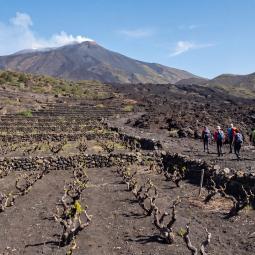
Mount Etna in Winter: What Changes and Whether It's Worth It
Mount Etna in summer is a well-trodden destination. Thousands of visitors ascend by cable car, hike crater trails in clear weather, and photograph the Ionian coast from 2,000+ meters. Winter is entirely different. Between December and February, the volcano transforms. Snow covers the landscape. Access shrinks. The mountain demands different equipment, different planning, and a different mindset. Few travelers realize just how radically winter changes the Etna experience—and fewer still understand whether that change is worth their time and money. This guide explains exactly what shifts when winter arrives, what you'll actually encounter, and a clear framework for deciding if a winter visit fits your travel style.

Mount Etna in winter transforms into a snow-covered landscape between December and February, offering dramatically different conditions from summer. Access is typically limited to 2,000 meters due to snow and safety restrictions. Winter visits require specialized equipment like snowshoes, proper clothing and a certified guide. The experience is worth it for travelers seeking solitude, dramatic scenery and a truly unique volcanic experience—but not for those wanting easy summit access.
RECAP WITH ICONS
❄️ Snow season: December–February
📍 Access limit: 2,000 meters
👟 Equipment required: Snowshoes (provided), winter boots, layered clothing
⏱️ Typical tour duration: 2 hours walking
👥 Group minimum: 4 participants
💰 Price point: €69 per person
🌡️ Temperature range: 0–5°C at 2,000m (highly variable)
What Changes on Mount Etna When Winter Arrives
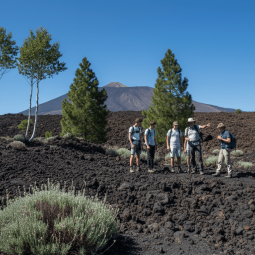
The first change is visual. Summer Etna is black, grey, and brown. Lava fields dominate. Winter Etna is white. Snow blankets everything above 1,600 meters, creating a landscape that feels more Alpine than Mediterranean.
The second change is practical. Summer access reaches 2,700+ meters via cable car and paved roads. Winter access stops at 2,000 meters. Roads close. The summit becomes unreachable. This single fact reshapes the entire visit.
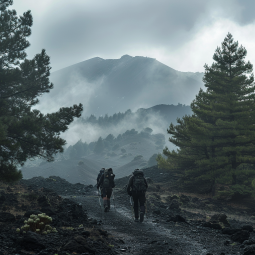
The third change is atmospheric. Summer trails are busy, crowded, and loud. Winter trails are silent. You hear only wind, footsteps on snow, and the occasional distant volcanic rumble.
Each of these changes affects who should visit and why.
Access Restrictions: Where You Can and Cannot Go in Winter
The 2,000-Meter Ceiling
Winter access on Mount Etna is capped at 2,000 meters. This is not arbitrary. Above this altitude, snow depth, ice formation, and weather instability create conditions that demand specialized skills, equipment and constant guide assessment.
The southern route (from Catania) closes beyond Rifugio Sapienza. The northern route (from Taormina) closes beyond Piano Provenzana. Both routes operate within the 2,000-meter limit from December through February.
This matters because summer visitors often reach 2,700+ meters via cable car and summit hikes. Winter visitors do not. If reaching the highest point is your primary goal, winter is the wrong season.
Why the Limit Exists
Snow accumulation above 2,000 meters becomes unpredictable. Icy sections form overnight. Visibility drops rapidly. Temperature swings can exceed 20°C in hours. A guide who knows the mountain intimately can assess conditions minute-by-minute and adapt routes accordingly. A self-guided hiker cannot.
Safety protocols, not bureaucracy, set this ceiling.
H3: Roads Close Entirely
Summer roads to higher altitudes remain open, maintained, and passable. Winter roads above 1,800 meters often close due to snow and ice. Even if you drive up, you cannot proceed on foot safely without winter equipment and local knowledge.
This is crucial: you cannot "just drive up" in winter and expect the same experience as summer.
Weather, Temperature & Visibility in Winter
Temperature Reality at 2,000 Meters
At sea level in Catania or Taormina, winter temperatures range from 8–15°C. At 2,000 meters on Etna, temperatures drop to 0–5°C on average, with wind chill making it feel considerably colder.
This is mild compared to Alpine winter hiking. It is cold compared to summer Etna. Dress accordingly: base layers, insulated jacket, windproof shell, hat, gloves, and proper winter boots are non-negotiable.
Snow Conditions: Expected vs Reality
Snowfall on Etna begins typically in the first week of December. Peak snow accumulation occurs between mid-January and February. Snow depth varies dramatically year to year: some winters see 30+ cm, others see patches and exposed lava.
Winter conditions are unpredictable. A guide checks weather and snow conditions daily. Tours may be rerouted or postponed based on real-time conditions, not preset itineraries.
Visibility & Cloud Formation
Morning visibility on winter Etna is typically excellent. Afternoon clouds form the same way as summer: warm air rises, cools, condenses. Winter visibility often remains clearer than summer because temperatures stay consistent throughout the day.
You will not encounter the afternoon fog wall that frequently disrupts summer hikes. This is a genuine advantage to winter hiking.
Equipment You'll Actually Need (and What's Provided)
Snowshoes: Required, Not Optional
Summer hikers wear hiking boots and walk on lava. Winter hikers wear snowshoes. Without them, you sink into snow up to your knees, burn calories rapidly, and tire quickly.
Sicily Active provides snowshoes included in the tour price. Bring them. Use them. Do not assume you can hike in regular boots.
Footwear: Bring Your Own Winter Boots
Snowshoes attach to winter hiking boots, not summer trainers. Boots must be insulated, waterproof, and fitted properly. If you do not own winter boots, rent them in Catania or Taormina before the tour.
Wet feet at 2,000 meters means a miserable experience and potential safety risk.
Clothing: Layering is Non-Negotiable
Base layer: moisture-wicking thermal underwear (merino wool or synthetic). Mid layer: insulated fleece jacket. Outer layer: waterproof, windproof jacket and pants. Accessories: hat, gloves, neck gaiter or balaclava.
Do not wear cotton. Cotton absorbs sweat, stays wet, and causes heat loss. Synthetic or wool only.
Bring sunscreen and sunglasses. Snow reflects UV rays intensely. Sunburn at 2,000 meters is real and painful.
Poles & Hand Warmers
Walking poles help distribute weight and reduce knee strain on descents. Bring collapsible trekking poles if you own them.
Hand warmers (chemical or reusable) are useful but not essential if clothing is adequate.
Is It Worth It? Decision Framework
Go to Winter Etna If...
✅ You want to experience Etna with minimal crowds.
✅ You prefer winter landscapes and mountain photography in soft light.
✅ You enjoy hiking but have knee or joint concerns (snowshoes reduce impact).
✅ You are traveling December–February and want a distinctive activity.
✅ You want to tell a genuinely different story than "I hiked Etna in summer like everyone else."
✅ You have 2–3 hours and want an immersive experience, not a full-day marathon.
Skip Winter Etna If...
❌ You need to reach the highest possible altitude or summit craters.
❌ You dislike cold weather or winter clothing preparation.
❌ You want a guaranteed sunny day (weather can limit visibility).
❌ You are traveling with very young children (2+ hours of hiking in snow is demanding).
❌ You have limited mobility or significant fitness concerns.
❌ You prefer the certainty of summer logistics over adaptive winter planning.
The Honest Truth
Winter Etna is not "better" or "worse" than summer. It is different in ways that appeal to specific travelers. The visitors who regret winter Etna are typically those who expected summer-like conditions and easier logistics. The visitors who love it are those who came specifically for winter hiking, solitude, and dramatic scenery.
Know which category you fall into before booking.
Safety Considerations for Winter Hiking
You Need a Certified Guide
Self-guided winter hiking on Etna is legally restricted above certain altitudes and deeply inadvisable below them. Snow and ice conditions change daily. A certified guide with local knowledge assesses conditions, chooses safe routes, and makes real-time decisions based on weather and group capability.
This is not a limitation. It is a safety framework.
Weather Can Change Rapidly
Mountain weather shifts quickly. A clear morning can become windy and foggy by late morning. Snow can fall unexpectedly. Temperature drops can be sharp.
Tours operate within predetermined windows and routes that account for these changes. If conditions deteriorate, the guide may shorten the route or postpone the activity.
Fitness & Physical Demands
Hiking at 2,000 meters in snow with snowshoes requires moderate fitness. You are walking 2 hours on uneven terrain, often slightly uphill. This is not a casual stroll, but it is not a mountaineering expedition either.
If you can hike 2 hours on a summer trail at sea level, you can handle winter Etna. If you struggle with 2 hours of hiking at any elevation, winter Etna is a stretch.
How to Prepare for Your Winter Etna Tour
Before You Book
Check the tour operator's snow and weather policies. Confirm what happens if conditions are unsafe (rescheduling, refund, modified route).
Verify your fitness level honestly. A 2-hour winter hike is not trivial.
Book with a tour operator who provides snowshoes and offers certified guides. Do not book with outfits that rent snowshoes separately or use non-local guides.One Week Before
Acquire or rent proper winter boots if you do not own them. Fit them in the shop, not the morning of your tour.
Check the weather forecast for your tour date. Winter Etna forecasts shift constantly, but a week's advance notice gives you realistic expectations.
Assemble your clothing layers now, not the night before. Verify everything fits and functions.
The Day Before
Prepare a small backpack with water, snacks, and sunscreen.
Charge your camera and phone. Cold temperatures drain batteries faster than normal.
Review the weather forecast one final time.
Tour Morning
Depart from your hotel early. Transfers to Etna from Taormina or Catania take 45 minutes to 1.5 hours. Arriving rushed creates stress and poor preparation.
Eat a light breakfast. You do not need a full meal, but do not hike on an empty stomach.
Bring your winter boots already on your feet. Do not carry them—wear them.
SAFETY MODULE
Winter Etna Hazards & Mitigation
Winter hiking on Etna carries real risks. Slipping on ice, avalanche (rare but possible), disorientation in fog, and rapid temperature drops are genuine concerns.
Mitigation is straightforward: hike with a certified guide, follow instructions, turn back if conditions deteriorate, and respect the mountain's power. Thousands of people hike winter Etna safely every year. Those who encounter problems typically ignored guide advice or underestimated conditions.
Respect the mountain. Do not take unnecessary risks. Your guide's job is keeping you safe, not pushing you to the summit.
Want to Experience Winter Etna Safely?
Hike through the winter landscape
Winter Etna tours operate December through February with departures every day, weather permitting. Tours include provided snowshoes, certified local guide, 2-hour guided walk on snow-covered lava fields, and pickup from your hotel in Taormina or Giardini Naxos.
FAQ
Can I do a winter Etna tour if I have never hiked before?
Yes. Winter hiking at 2,000 meters on snowshoes is less demanding than summer crater hikes. If you can walk 2 hours at sea level without difficulty, winter Etna is accessible.
What if it does not snow during my visit?
Snow coverage on Etna fluctuates yearly. Some winters see heavy snow; others see partial coverage. Tours adapt to conditions. You will still hike on lava terrain, but the snow experience may differ. Check with your guide 2-3 days before your tour for current conditions.
Is winter Etna more expensive than summer tours?
Pricing is comparable. Winter tours are typically 2–3 hours; summer tours are often 4–6 hours. Price per hour is similar. Winter's lower-altitude limit means shorter duration, not higher cost.
Can I bring young children?
Children aged 7–10 with good fitness can manage 2 hours of winter hiking. Younger children find it demanding. Discuss your child's fitness level with the tour operator before booking.
What if the weather is bad on my tour date?
Tour operators monitor forecasts closely. If conditions are unsafe, tours are typically rescheduled or modified. Confirm the operator's weather policy when booking—you want clear terms, not ambiguity.
Do I need previous snowshoe experience?
No. Snowshoeing is intuitive. You will learn within 10 minutes of wearing them. Your guide demonstrates technique before the tour starts.
What is the best time of day for a winter Etna tour?
Morning starts (around 09:00 from your hotel) are ideal. Afternoon weather can become unstable. Early departures maximize daylight and stable conditions.
CONCLUSION
Winter transforms Mount Etna into a landscape few travelers experience. The snow, the silence, and the dramatic contrast between white snow and black lava create a genuinely different mountain. It is worth visiting—but only if you understand what changes and commit to preparing properly. If you seek crowds, easy logistics, and guaranteed summit access, winter is not your season. If you seek solitude, dramatic scenery, and a real adventure, winter Etna delivers exactly that.