The Sartorius Craters
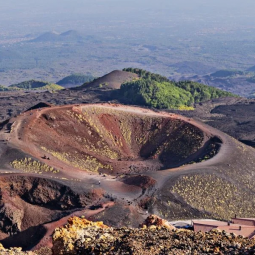
The Sartorius Craters, formed during Etna's eruption in 1865, This UNESCO world heritage site is characterised by distinct cones of scoria and lapilli, showing a fascinating interaction between volcanic activity and nature's recovery. The area boasts a unique mix of endemic flora and fauna, including plant species such as the astragalus (Astragalus siculus) and wild animals such as the red fox. A 4-kilometre trekking trail winds through craters, a birch and pine forest. Hikers can easily explore the geological wonders and enjoy breathtaking views from the Etna North slope to the Taormina hills and the Mediterranean Sea.

How the Sartorius craters formed
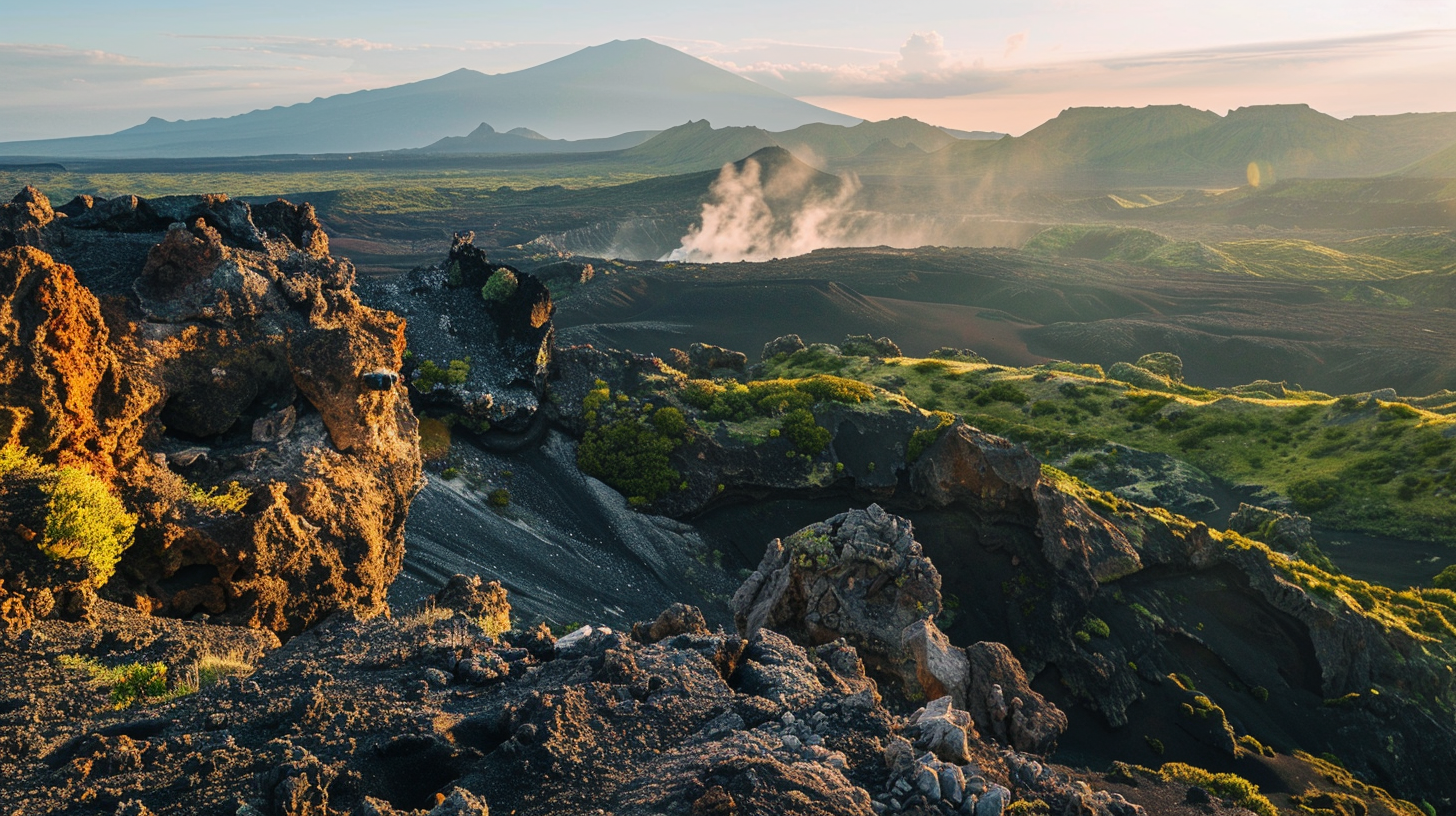
When thinking about the formation of the Sartorius Craters, it is fascinating to consider how the explosive and effusive eruption lasted a full six months from January 1865 until June of the same year. The lateral eruption that gave rise to the Sartorius Craters created a medium-sized fissure from which a series of craters were formed that, through explosive activity, fed fountains of lava that caused pyroclastic material (ash, lapilli and volcanic bombs) to fall to the ground, forming seven pyroclastic cones.
Each cone, composed mainly of slag and lapilli, reflects the power of the Earth's geological processes.
The landscape around the craters is a vivid tapestry of dark volcanic material contrasting with lush vegetation, demonstrating the resilience of nature.
The area is a testimony to the dynamic interaction between volcanic activity and environmental rebirth. During the sartorius crater walk, you will not only witness the geological formations first-hand, but also understand the continuous evolution of Etna.
This unique environment tells a story of explosive and effusive eruptions and gradual recovery, making it a fascinating destination for any nature and trekking enthusiast.
GEOLOGICAL SIGNIFICANCE OF THE CRATERS
The Sartorius craters represent an open-air laboratory, showing how volcanic activity can dramatically change the terrain and influence the surrounding environment.
As you explore, you can see how the variety of textures and colours in the landscape reflect the history of the eruption. Each cone tells a story of explosive power and gradual changes, marking the inexorable process of geological evolution in which Etna has been a protagonist for more than half a million years.
The study of these craters not only improves understanding of volcanic activity, but also highlights the broader implications of these processes on global geology. The acquisition of this knowledge deepens the appreciation for the ever-changing character of the Earth. Some volcanic bombs that show colours ranging from red through yellow to white are witness to temperature changes in fumaroles that have created reverse sublimation or condensation processes.
FLORA AND FAUNA OF THE VOLCANIC LANDSCAPE
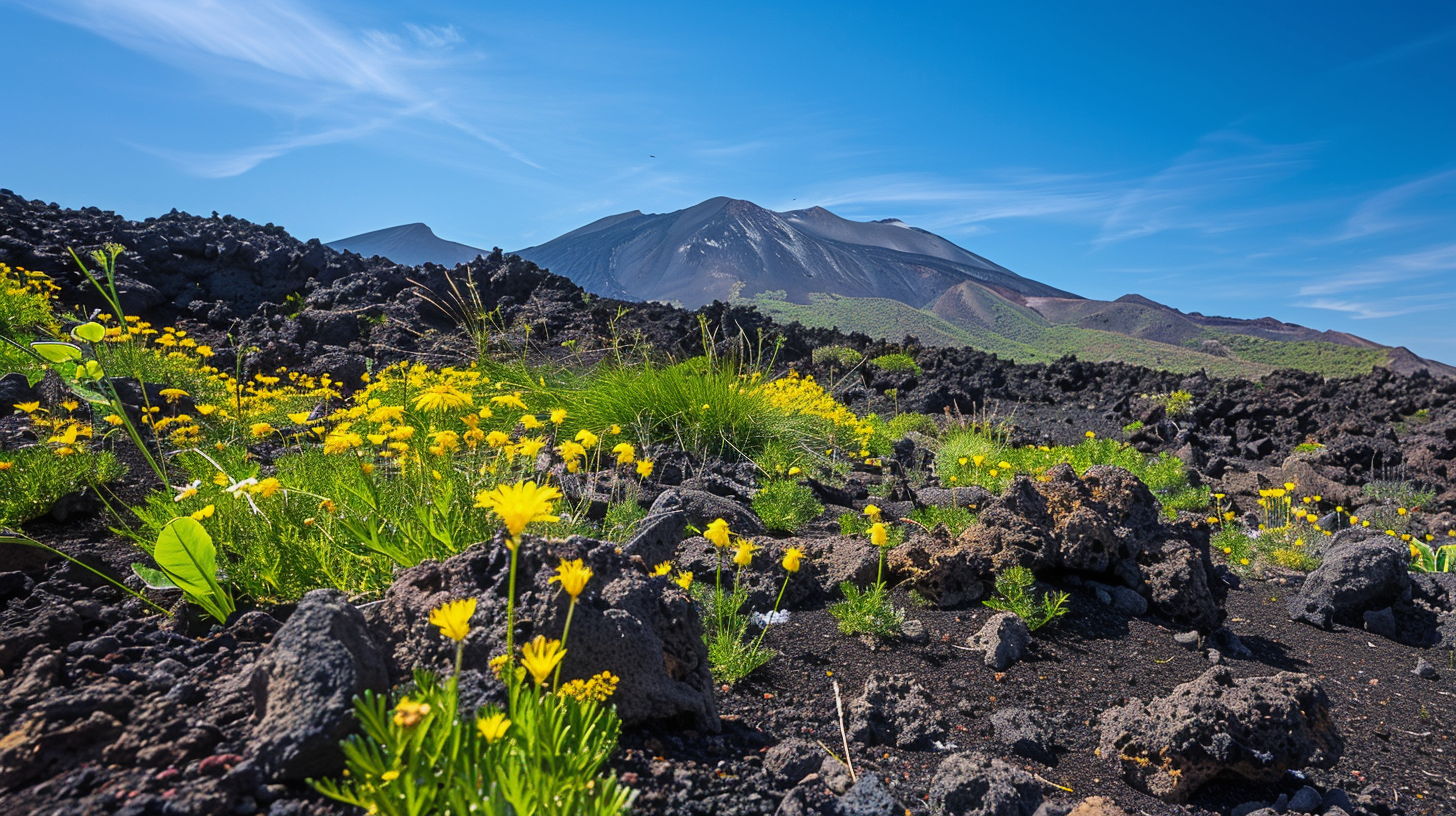
Immersed in the volcanic terrain of the Sartorius craters, we encounter the flora and fauna that characterise this hostile yet fascinating environment. The total lack of water sources, rivers or lakes thins the biodiversity in both botanical and faunal terms. You will discover a number of hardy plant species, including the iconic Etna broom (Genista aetnensis) the astragalus (astragalus siculus) and various types of heather, which have adapted to the nutrient-poor soil. These plants often display striking colours that contrast vividly with the dark volcanic rock. Along the south-eastern flank of the second cone are saponarias that flower with pink inflorescences in June, creating a wonderful contrast to the colour of the ancient lavas and pyroclastic products. The birch (Betula aetnensis) in this portion of Etna between Piano Provenzana and the Sartorius craters creates a botanical unicum, representing the southernmost birch forest on the European continent. Tanaceto and Achillea plants can be found just outside the pine forest and up to the foot of the path leading to the summit of the Craters.
The fauna present on Etna is mostly represented by avifauna such as: kestrels, finches, buzzards, robins, red woodpeckers
Reptiles include: the gecko lizard, the Sicilian lizard, which is widespread and endemic to the area, the green lizard, the snake, the grass snake and the viper, the only species that is dangerous if disturbed.
You may also spot small mammals such as the marten, a few foxes and rarely the wild cat, which moves easily over rough terrain.
Sartorius Craters Trekking
Hike and Visit of a Cave!
Discover the Sartorius craters!
Hiking trails and visitor experience
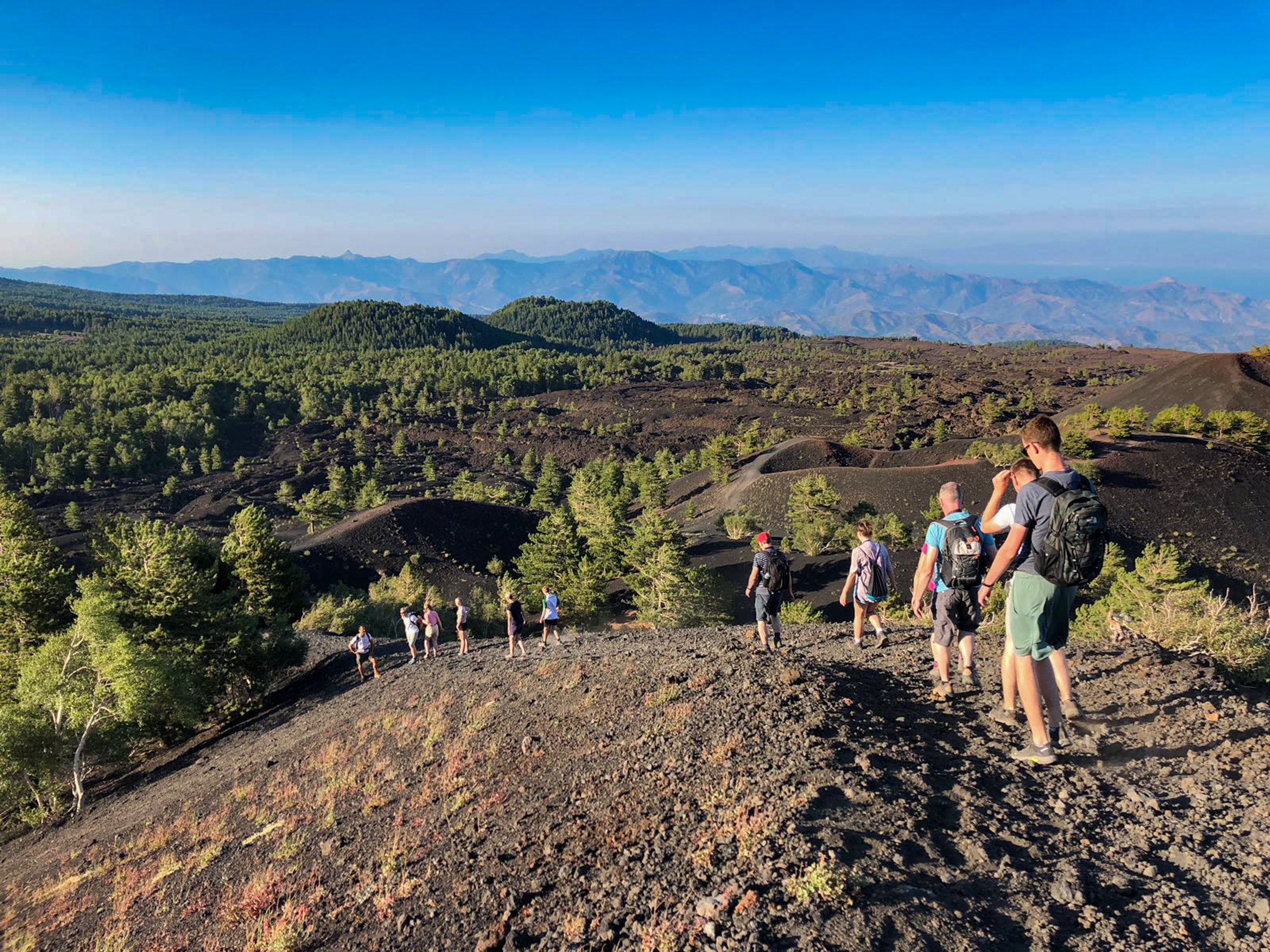
Exploring the Sartorius Craters trails offers an immersive experience in Etna's unique volcanic landscape via two trails that differ in length and difficulty but always lead to the summit of the Sartorius Craters.
The first path starts at the gate marking the beginning of the trail, a 4-kilometre path with a positive height difference of about 80 metres that shows the intriguing geological formations created by the eruptions of 1865. During the hike on this Etna trail, you will encounter a number of striking sights, including six separate observation points where you can admire the contrast between the dark volcanic rock and the vibrant local flora.
The trails are generally suitable for beginners, making them accessible to both families and solo adventurers. Don't forget to bring essential supplies, such as water and snacks, and a camera to capture the breathtaking views.
Whether you choose a guided tour or an independent hike, the trails promise educational insights into the volcanic processes that shaped this extraordinary environment.
Map of the Sartorius Craters nature trail
The second trail starts a few hundred metres from the main crater in the direction of the Citelli refuge. With this second itinerary you will experience a different and more complete excursion because you will pass through the initial part of the 1928 lava flow where you can see some cannon stones and appreciate the landscape of a lava desert, then you will be able to immerse yourself in a stretch of woodland characterised by birch, pine and juniper plants and at the end the path joins the main path that will take you to the top of the Sartorius Craters. For this second route, you need a guide because you can get lost in the forest.
Conservation efforts and future research
While taking in the breathtaking views of the Sartorius Craters, it is important to consider the ongoing conservation efforts that protect this unique ecosystem.
Local authorities and environmental organisations work diligently to preserve the delicate balance of flora and fauna that thrives in this volcanic landscape. This includes monitoring the impact of visitors, maintaining trails and implementing educational programmes to raise awareness of the ecological importance of the area.
Future research initiatives aim to deepen the understanding of the volcanic processes that characterise the Sartorius Mountains and their effects on biodiversity. Scientists are exploring interactions between volcanic activity and climate change that could inform better conservation strategies.
What is the Origin of the Name ‘Sartorius Craters’?
The name ‘Sartorius Craters’ derives from the German scholar Sartorius von Waltershausen, who studied the area extensively. His contributions to the understanding of volcanic activity led to these iconic craters being named after him.
What Are Etna's Most Recent Eruptions?
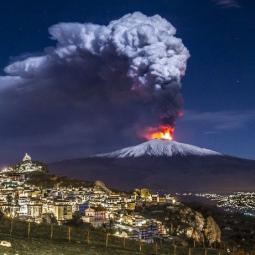
Etna has had several recent terminal and sub-terminal eruptions, including those in 2022 and 2025. Near the Sartorius craters there is a major lateral eruption in 2001-2002.
Are Toilets Available Along the Sartorius Trail?
There are no toilet facilities along the trails, so plan accordingly. Before embarking on your adventure, consider using nearby accommodation or facilities at the trails to ensure a comfortable experience.
Are There Any Restrictions For Hiking Groups?
No, there are no restrictions, but it is always good to keep in mind to respect using common sense the rules of good manners and respect for nature.
How to dress for a hike to the Sartorius craters
For hiking, you will need sturdy hiking shoes, layered clothing for temperature changes, a backpack with water and snacks, rain gear and sunscreen. Prepare according to the season.
Are there any accommodation facilities near the Sartorius?
The Citelli refuge is just 500 metres from the start of the trail, and at Piano Provenzana about five kilometres away there are several places where you can have lunch or hire trekking equipment. Il clan dei ragazzi a large and cosy chalet is five kilometres away in the direction of Linguaglossa.
Conclusion
A visit to the Sartorius Craters offers a unique opportunity to witness the workings of the forces of nature. These craters, formed by the eruption of 1865, present remarkable geological features and a diverse ecosystem. As you walk along the trails, you can learn about the volcanic history of the region and enjoy breathtaking landscapes. Thanks to ongoing conservation efforts, the site remains a vital area for research and exploration. Take the opportunity to get to know one of Etna's most fascinating natural wonders. Don't forget that you can take the opportunity to visit the 2002 lava flow and also visit the Etna Nord Piano Provenzana station.