Mount Etna Hiking Guide: How to Visit Etna Independently or with a Guide
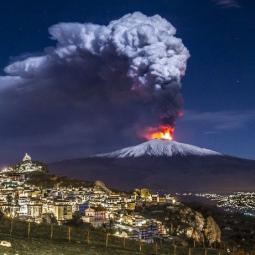
Visiting Mount Etna is far more than walking on a volcano — it’s stepping into a world of black lava deserts, pine forests, ochre craters and wide open views stretching from the summit to the Mediterranean. Whether you’re planning a couple’s adventure, a family trip, a group hike or a day tour from Taormina or Catania, this guide gives you everything you need to plan your visit safely and confidently.

-
🌋 Access rules: independent up to 2,800 m; above requires certified guides
-
🥾 Safety basics: ash, wind, fog, cold, unstable ground and rapid weather shifts
-
🎒 What to wear: seasonal clothing checklist for winter, spring, summer and autumn
-
💧 Environment: no water sources above 1,300 m, exposed terrain and volcanic sand
-
🗺️ Weather & navigation: how to read correct forecasts for Etna North and South
-
🚐 Transport options: buses, cable car, 4x4, transfers and access roads
-
📍 Best routes: top Etna trails divided by difficulty and starting point
Essential Information for Visiting Mount Etna
Before planning your hike, these are the fundamental rules every visitor should know.
Up to What Altitude Can You Go Without a Guide?
Independent access is allowed up to 2,800 meters.
Above this point, due to regional safety regulations, you must be accompanied by a certified mountain or volcanological guide due to:
- unstable volcanic terrain
- thin air and rapid fatigue
- presence of fumaroles and volcanic gases
- sudden weather changes
- possible activity restrictions issued by authorities
Mountain Huts and Overnight Stays
Above 1,300 m, Etna offers several unattended mountain huts (bivouacs). They are basic shelters, not hotels.
Before planning a multi-day hike:
- verify the hut’s position
- make sure if it’s accessible/open
- check updated trail conditions
- consult CAI sections or Etna Park authorities
There is no water in the huts — bring everything you need.
Water, Altitude and Environmental Conditions
Above 1,300 m
❌ no rivers
❌ no streams
❌ no springs
- Bring at least 2 liters per person in summer
- adequate water reserves if hiking off the main routes
The landscape is exposed and windy. Fine volcanic sand makes the ground slippery, and long trousers are recommended even in summer — especially above 2,500 m.
Hazards to Know Before You Start
High altitude on Etna can include:
- wind-driven volcanic ash (abrasive like sandpaper)
- temperature drops
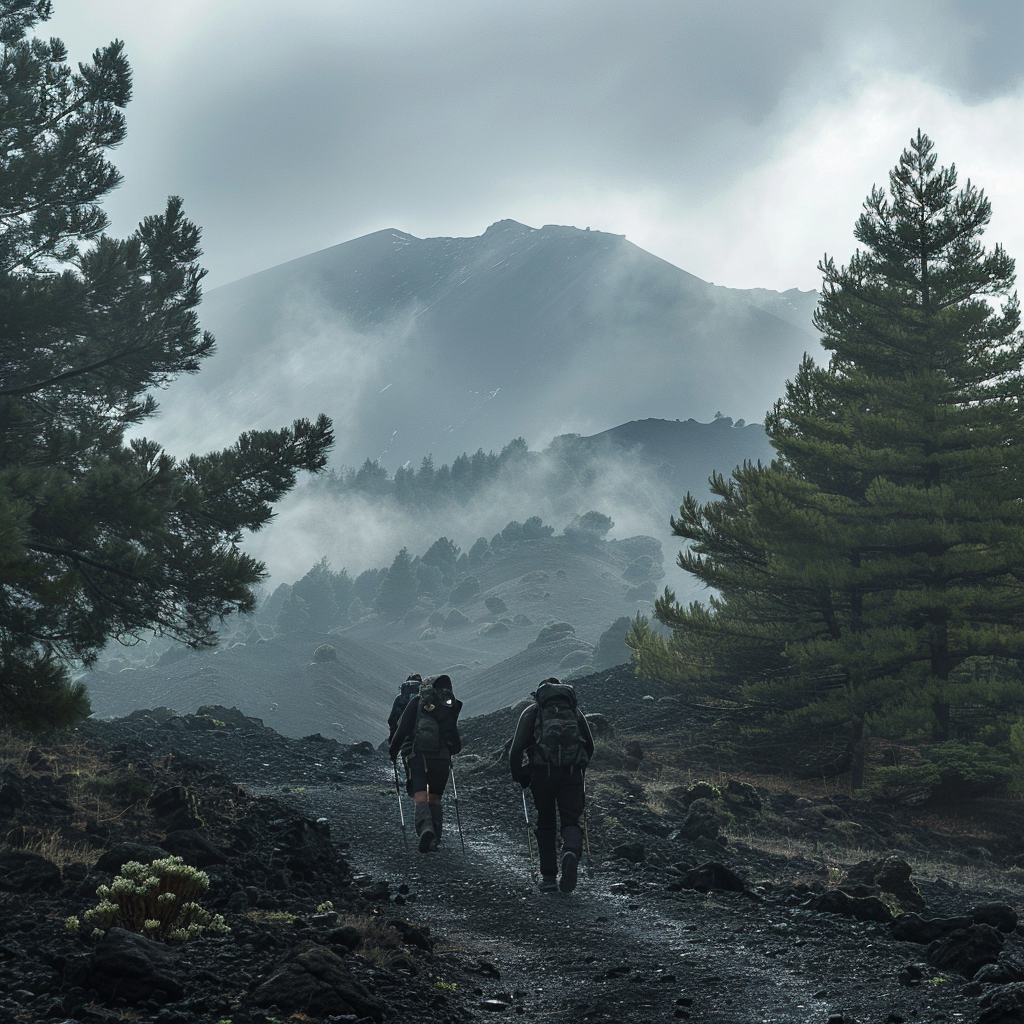
- fog causing sudden zero-visibility conditions
- ridgelines exposed to wind gusts
Good preparation is essential, even for short hikes.
What to Wear on Mount Etna (Season by Season)
Weather changes fast on Etna. Dressing correctly is key to staying safe and comfortable.
Winter (November–March)
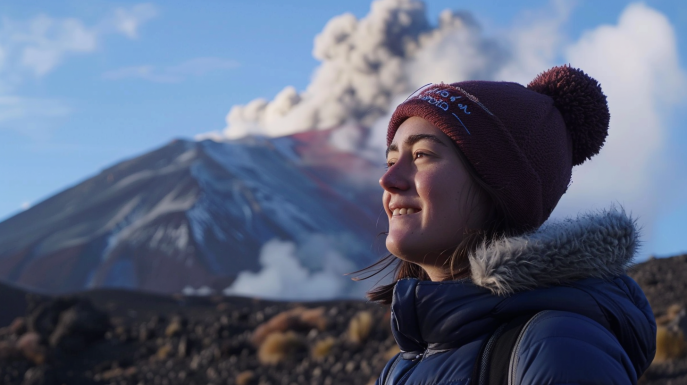
Expect snow, ice, and strong winds.
Recommended:
- technical winter pants
- waterproof boots (Gore-Tex ideal)
- fleece
- heavy windproof jacket
- thermal hat
- no wool gloves (they freeze when wet)
- gaiters if there is snow
Tip: Lava terrain doesn’t require Vibram soles, but good grip is essential.
Spring (April–June)
Weather changes quickly.
- light technical pants
- base layer + fleece
- hat
- trekking shoes
Tip: Fog and wind frequently appear above 2,000 m.
Summer (June–September)
Below 2,000 m it's hot. Above 2,000 m you’re in a lava desert.
- shorts or light long pants (long trousers recommended above 2,500 m)
- technical t-shirt
- sun hat
- light jacket
Always pack:
- fleece
- 2 liters of water minimum
- sunscreen
Autumn (October)
Unstable weather and sudden temperature drops.
- layered clothing
- windproof jacket
- waterproof boots
- fleece
Tip: Rain and humidity are common.
Checking the Weather on Etna
Weather is one of the most important factors to check before any hike.
How to Read Etna Weather Correctly
Never search “Etna weather” (you will get summit conditions only).
Search instead:
- “Meteo Piano Provenzana” → North side
- “Meteo Rifugio Sapienza” → South side
- best time of day to visit Mount Etna, weather conditions on Etna
Wind, Ash & Storms
- Strong wind can lift volcanic ash (North: Serracozzo; South: Schiena dell’Asino).
- Wind chill can make perceived temperature 10°C lower.
- Etna’s iron-rich soil increases lightning risk: avoid open lava deserts and exposed ridges.
Useful Webcams
webcam
- Etna South Webcam
- Etna North Webcam
What to pack for an etna hike
Below is the complete gear checklist for a safe experience.
Essential Gear (for classic trails)
- 1.5–2 L water
- fleece / warm layer
- windproof jacket
- sun hat + sunscreen
- energy snacks
- full change (shirt + socks)
- microfiber towel
- headlamp
For Long or Isolated Trails
- map or GPS
- 6 m utility cord
- compass
- thermal blanket
- whistle
- trekking poles
- first aid kit
- powerbank
- duct tape (extremely useful for emergencies)
Renting Equipment
Available at:
- Rifugio Sapienza (South)
- Piano Provenzana (North)
Quick Day-Before Checklist
✔ Water.
✔ Fleece.
✔ Windproof jacket.
✔ Snacks.
✔ Headlamp.
✔ Charged phone.
✔ Map / GPX trail.
✔ Proper footwear.
How to Reach Mount Etna: Transport & Updated (2026)
Etna can be reached from both Catania and Taormina, each with different costs.
Bus from Catania (South Side)
- Cost: €6 round trip
- Departure: Catania Centrale
- Arrival: Rifugio Sapienza (1,900 m)
- Perfect if you stay in Catania and don’t have a car.
Bus from Taormina
There is no public bus to Etna from Taormina.
Options:
- tourist buses €25 (cheap but rushed)
- or a guided tour such as an Etna Half Day Tour (recommended for comfort)
Private / Shared Transfers
Shared transfers: €70–€80 per person
Advantages:
- direct access to main viewpoints
- no need to change vehicles
- possibility of including a guide
Etna Cable Car (South Side)
- ~€50 Round trip:
- reaches 2,500 m
- subject to wind closures
Be aware: subject to closure in case of strong wind.
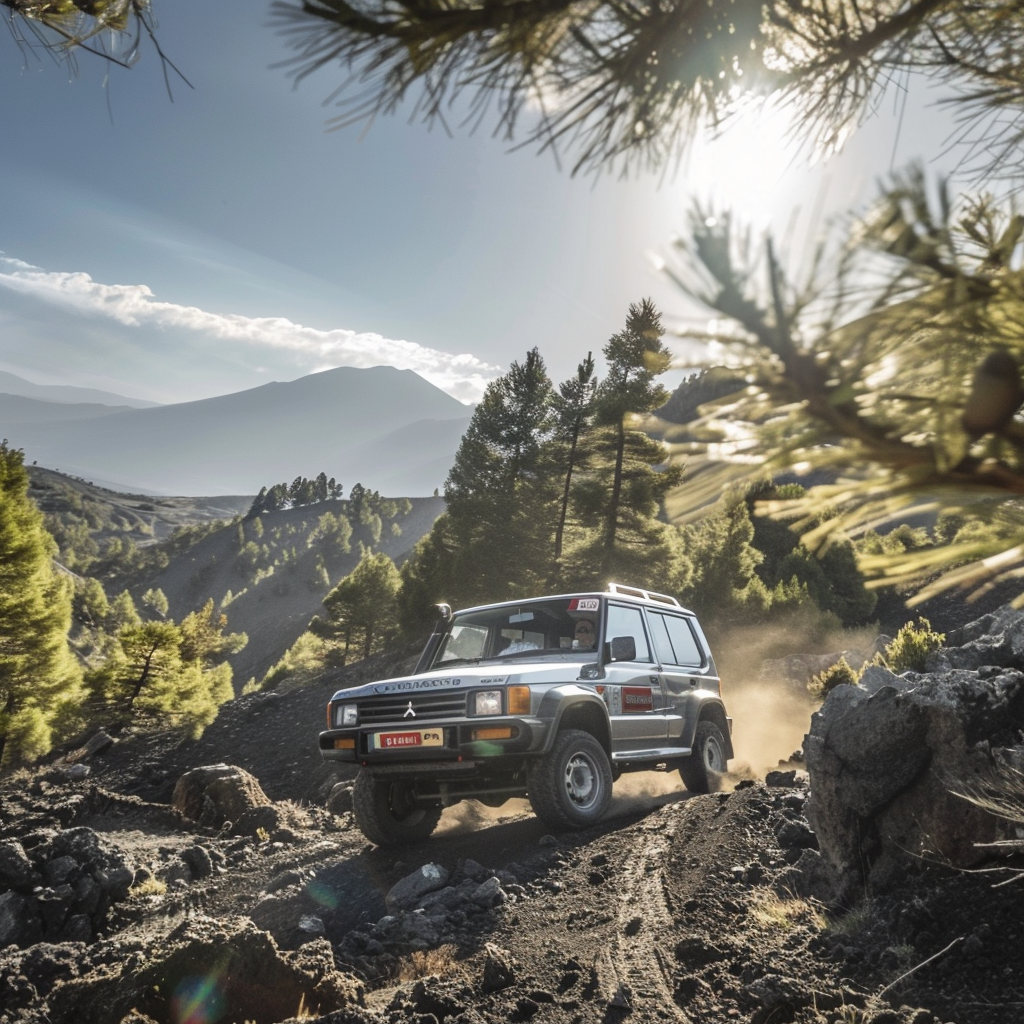
4x4 Jeep from 2,500 m
- Extra: ~€28
- good solution for reaching high altitude without long hikes
Reaching Etna by Car
- South: SP92
- North: Mareneve Road
Parking available but limited in high season.
Choosing Your Etna Side: North or South
Each side offers a completely different experience.

Etna South (Rifugio Sapienza)
Best for:
- cable car access
- easy walks
- panoramic views
- first-time visitors
- families
Pros: services, shops, restaurants.
Cons: crowded, parking issues.
Choosing the north side of the volcano or the south depends on access points, transport options, crowd levels and the type of experience you are looking for, as explained in this detailed comparison of Etna North vs South.
Etna North Side Piano Provenzana
Best for:
- nature
- photographers
- hikers
- cooler temperatures
- visitors from Taormina
Pros: quiet, scenic trails.
Cons: no cable car; fewer services.
Which Side Should You Choose? (Quick Guide)
- Want altitude? → South
- Want nature & quiet? → North
- Staying in Taormina? → North
- Staying in Catania? → South
- Best views & trails? → North
- Fast, easy logistics? → South
Best Trekking Routes on Mount Etna
A curated selection of the top routes by difficulty.
Etna South Trails
- Schiena dell’Asino – 5 km – medium
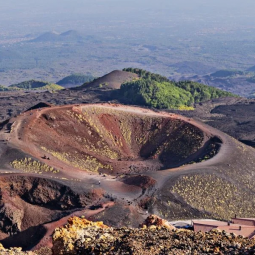
- Silvestri Craters – 1.5 km – easy
- Summit Craters – 7 km – high (guide only)
- Case Santa Barbara – easy
- Altomontana (South → North) – 42 km
- Monte Gemmellaro – easy
- Acqua Rocca degli Zappini – medium
Etna North Trails
- Sartorius Craters – 3 km – medium
- 2002 Lava Flow – 6 km – medium-easy
- Volcanological Observatory – 20 km – demanding
- Summit Craters from North – guide only
- Timpa Rossa – 8 km – medium
- Altomontana (North section)
- Serracozzo Cave – 12 km – medium/high
- Pista Poiana – 5 km – easy
Tips for self-guided hikes
- download maps offline
- evaluate elevation gain
- avoid isolated areas without phone signal
- carry extra layers
- follow CAI markers
- never leave the official path
- tell someone your route
Benefits of a Guided Tour on Etna
- maximum safety
- no planning stress
- cultural & geological insights
- access to restricted areas
- special experiences (sunset hikes, caves, MTB)
- equipment often included
If you prefer a stress-free experience, consider a guided option like the Etna Half Day Tour.
Special Experiences: MTB, Caves, and Sunsets
Guided tours allow you to enjoy activities that would be difficult to organize on your own:
- mountain bike excursions
- exploration of volcanic caves
- sunset trekking
- trails through the pine forests on the north side
- lesser-known itineraries
- Perfect for those seeking a unique and special experience.
Visiting Etna with kids
Easy trails make Etna perfect for families.

Best kid-friendly routes:
-
Crateri Silvestri
-
Sartorius Craters
-
Monte Gemmellaro
-
2002 Lava Flow (initial section)
Bring snacks, water, sun protection and take frequent breaks.
Mountain Huts on Etna: What to Expect
On the slopes of Etna, there are several small refuges, perfect as bases for hikers and trekkers.
They are not hotels: they are basic bivouacs, useful for resting, sheltering from the cold, or planning multi-day itineraries along the Pista Altomontana.

How Etna Huts Work
Etna’s huts are:
- free
- basic
- unattended
- without water
- equipped with fireplace and tables
Most Reliable Huts
- Timpa Rossa Hut
- Galvarina Hut
- Monte Scavo Hut
When You Should Consider Sleeping in a Hut
Ideal for:
- long traverses
- sunrise/sunset viewing
- multi-day treks
Not necessary for short walks.
Where to eat on Etna
North Side
- Chalet Clan dei Ragazzi
- Rifugio Citelli
- Chiosco Mareneve
South Side
Around Rifugio Sapienza:
- restaurants
- bars
- pizzerias
- snack shops
Useful Contacts for Visiting Etna
- Etna Park – +39 095 821201
- Sicilian Alpine Rescue – +39 334 9510149
- CAI Linguaglossa (North) – +39 095 77772233
- CAI Pedara (South) – +39 333 870 6144
FAQ
WHAT HEALTH CONDITIONS MAY PREVENT PARTICIPATION IN AN ETNA TREK?
If you have pre-existing conditions such as heart disease, respiratory problems, mobility difficulties, or significant physical limitations, you may have difficulty participating in high-altitude hikes on Etna.
Always consult a doctor before trekking and wear appropriate mountain clothing.
CAN I BRING MY PET ON THE EXCURSION?
You can visit Etna with your pet, as long as you choose pet-friendly trails and take all necessary safety measures.
Bring water and paw protection, and make sure the trail you choose is pet-friendly.
ARE THERE ACCOMMODATION FACILITIES NEAR ETNA TO STAY OVERNIGHT?
Yes, there are numerous accommodations around Etna: hotels, B&Bs, refuges, and small accommodations immersed in nature.
They are perfect for those who want to stay more than a day and experience the volcano at a leisurely pace.
WHAT SPECIES OF FLORA AND FAUNA CAN I ENCOUNTER ON ETNA?
While trekking on Etna, you can observe fascinating wildlife, including foxes, hedgehogs, and occasionally porcupines.
The flora includes endemic species such as:
Etna broom
Astragalus siculus
Etna birches
The volcano's ecosystem is unique in the Mediterranean.
IS THERE A RISKIER TIME OF YEAR TO VISIT ETNA?
Etna is continuously monitored and is considered safe to visit year-round.
In the event of significant volcanic activity, temporary warnings and restrictions are issued.
Always check the latest conditions before traveling.
Conclusion
Visiting Mount Etna can be one of the most memorable experiences of your trip to Sicily—if you prepare properly.
This comprehensive guide gives you all the tools you need: safety rules, seasonal clothing tips, best trails, transport options, family advice, and the benefits of joining a guided tour.
Whether you explore independently or with a certified guide, Etna’s landscapes—its forests, lava deserts, craters, and views over the sea—will stay with you forever.